
About Hinrich
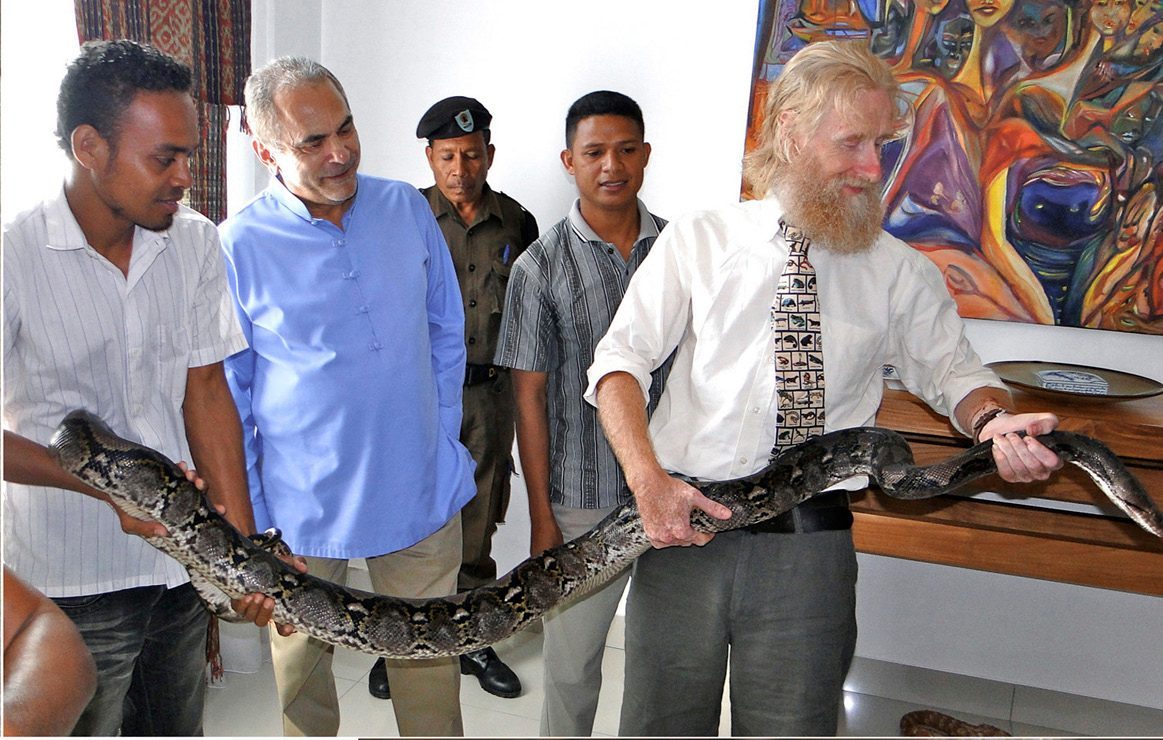
Hinrich Kaiser has spent more than four decades looking for frogs, lizards and snakes: in Caribbean rainforests, on the islands of the Malay Archipelago, across the hills of Timor-Leste, and in the drawers of the world's natural history museums.
From Dortmund to the Arctic
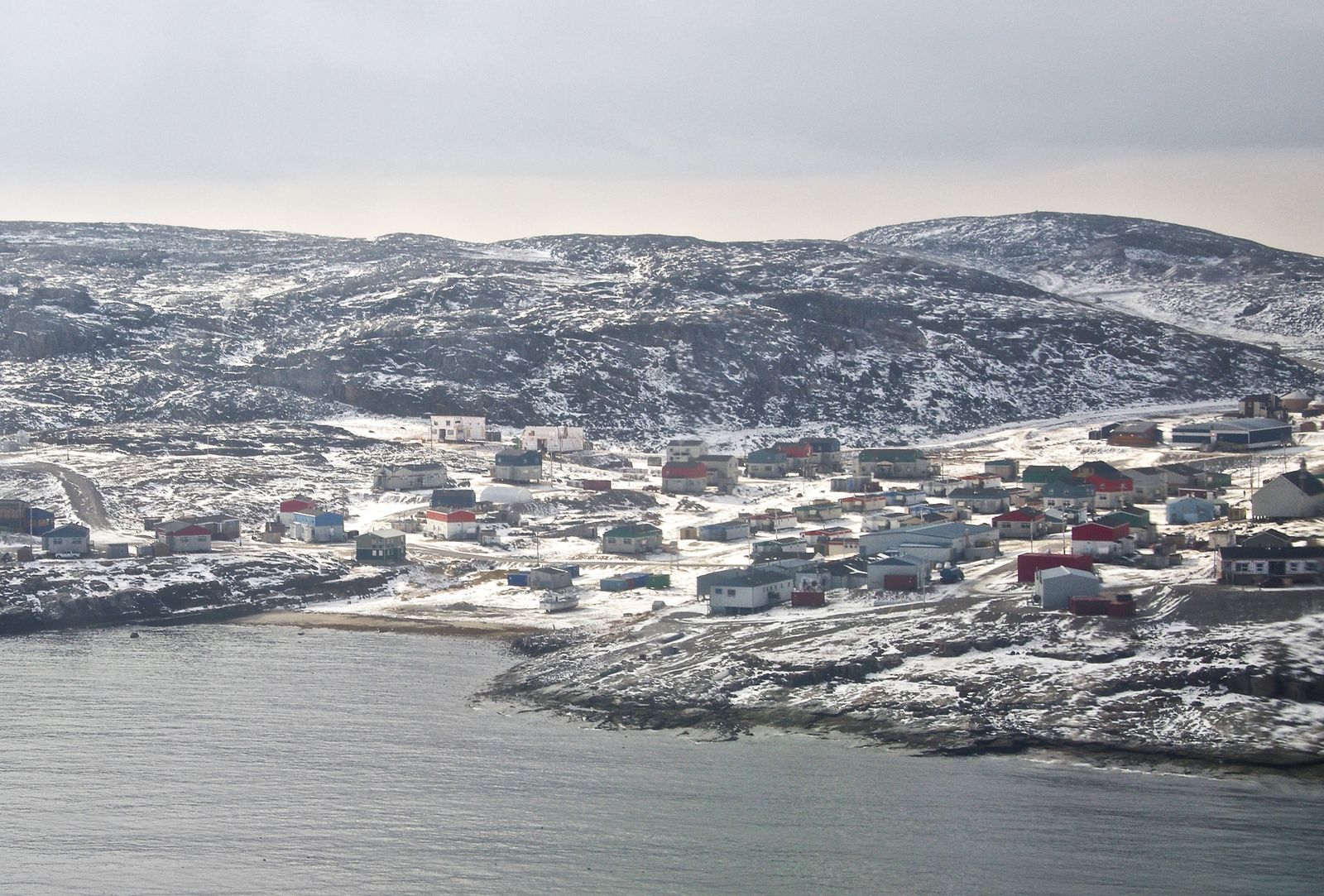
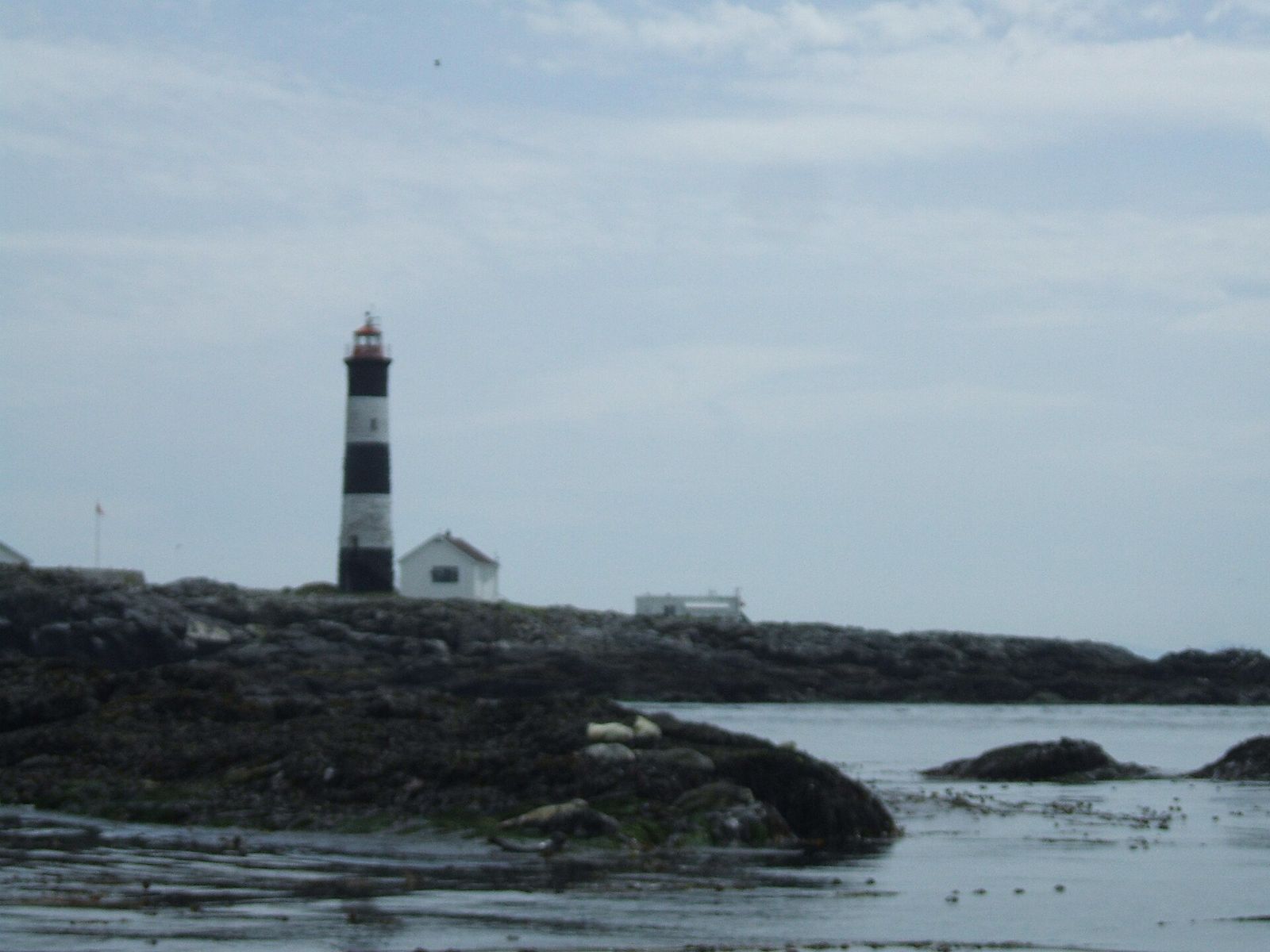
Hinrich Kaiser grew up in Dortmund, Germany. In 1982 he won a scholarship to Lester B. Pearson United World College of the Pacific in Victoria, Canada, where he led the college's diving service and became a scuba instructor. A lecture by the polar diver Joseph MacInnis, and one bold question afterwards, led to a place on a 1983 expedition to the Digges Islands in northern Hudson Bay. Diving in frigid Arctic water and being dive-bombed by peregrine falcons on the tundra set the course of his life.
Falling for frogs
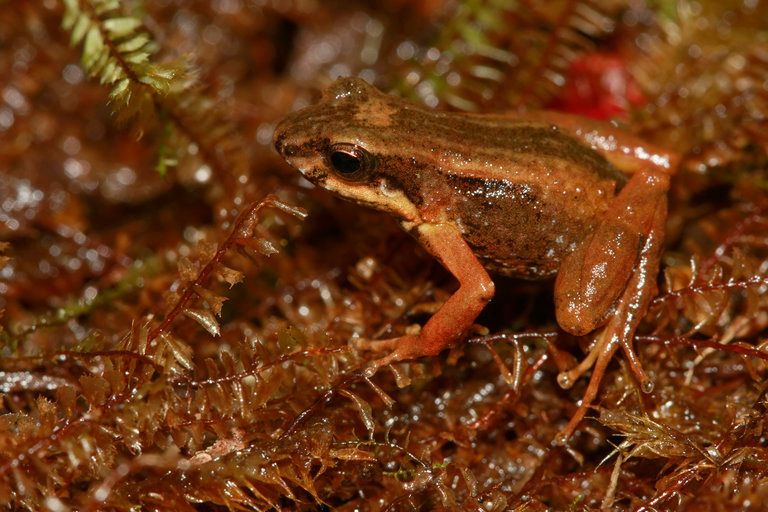
Hinrich taught high-school biology in the Philippines, paddled 700 km down the Yukon River, studied marine biology at McGill University in Montréal, and then, in a course taught by David Green at McGill's Redpath Museum, fell for frogs. His PhD on the frogs of the Eastern Caribbean took him island by island through the Lesser Antilles and into northern South America, and produced new species of frogs and of the parasitic worms that live inside them.

A classroom in the field
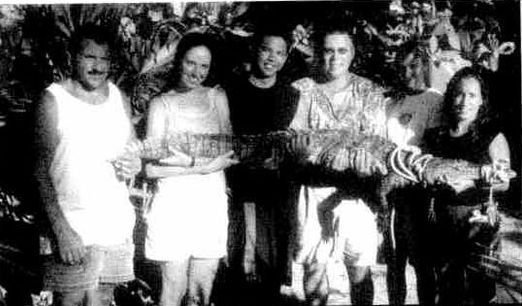
After postdoctoral fellowships in Würzburg, Germany, and at La Sierra University in California, Hinrich began teaching. Since 2002 he has been Professor of Biology at Victor Valley College in Victorville, California, where he built courses that take students to places of great biological interest and turn them into co-authors of real research: Honduras, Malaysia, Cambodia, Venezuela, Cuba, Panama, Costa Rica, Borneo, Madagascar and, over ten expeditions, Timor-Leste.
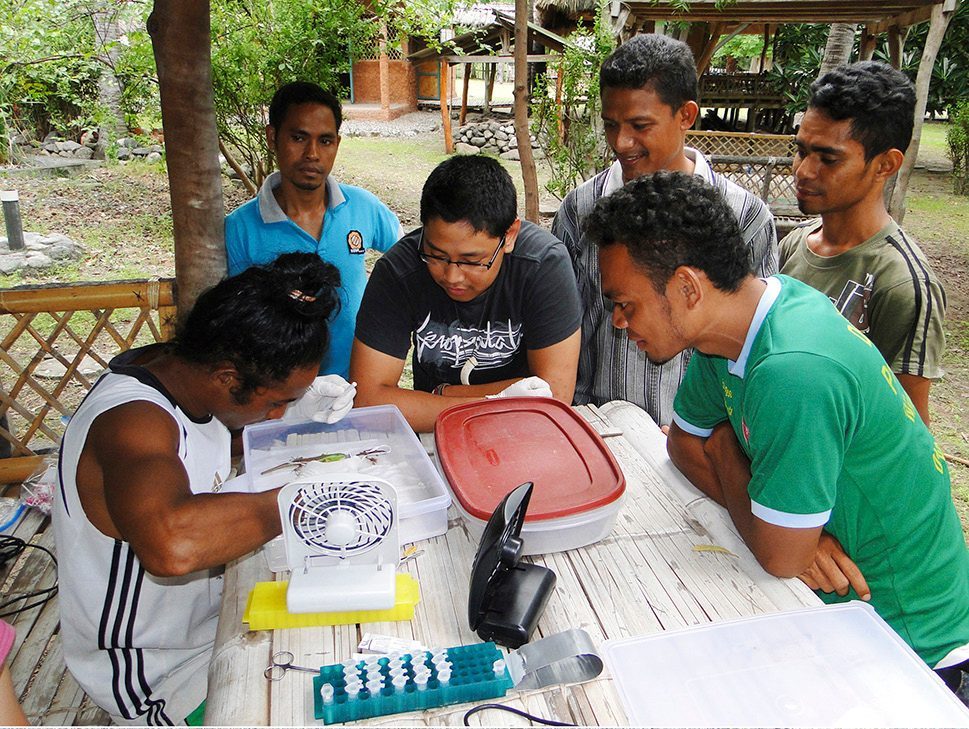
Ten expeditions to Timor-Leste
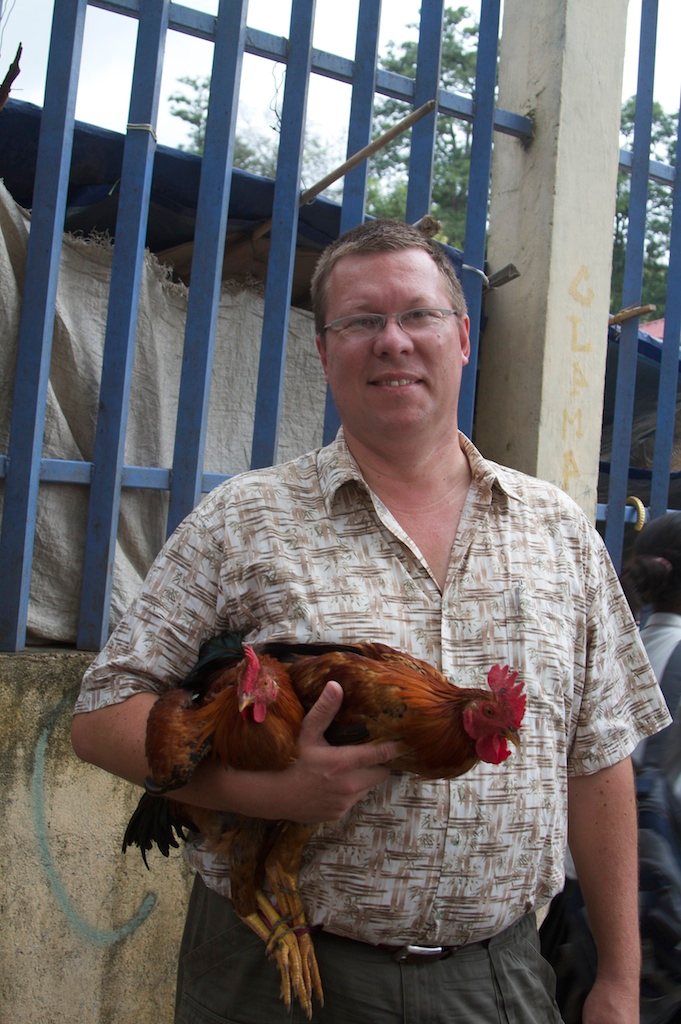
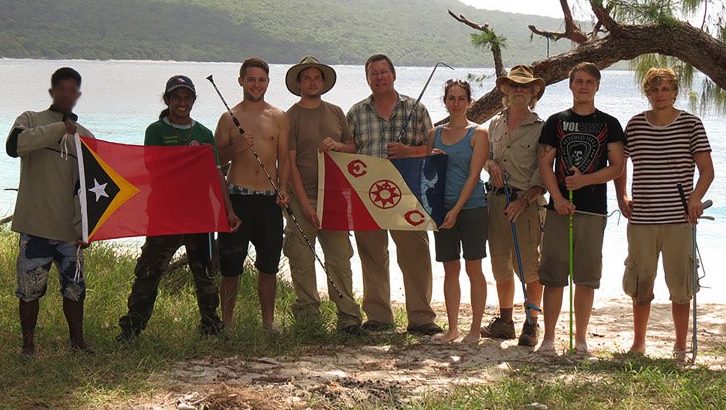
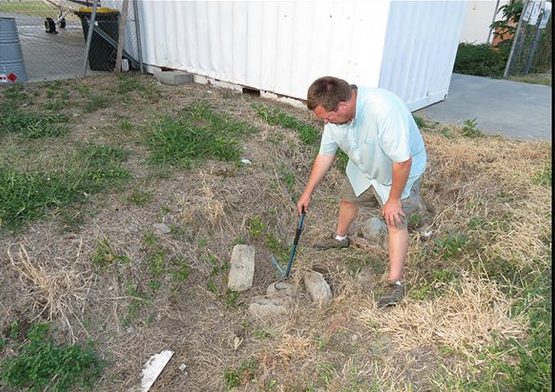
Today
Today Hinrich is Editor-in-Chief of the journal Herpetology Notes, a Research Associate of the Smithsonian's National Museum of Natural History and of the Leibniz Institute for the Analysis of Biodiversity Change in Bonn, and, since 2026, an Honorary Professor at The University of Hong Kong, where he is building a regional programme on snake taxonomy and venom to help fight snakebite. He chairs the board of the PeaceJam Foundation as the representative of Nobel Peace Laureate José Ramos-Horta.
Home, and everywhere else
Hinrich is married to Christine Kaiser, a herpetologist in her own right and a co-author on many of his papers. He has visited more than 100 countries and territories, speaks German, English, French and Spanish, and still prefers a good book to television.
A life in the field
- 1982
Leaves Dortmund on a scholarship for Lester B. Pearson United World College of the Pacific in Victoria, Canada.
- 1983
Research assistant on an expedition to the Digges Islands in northern Hudson Bay.
- 1984
International Baccalaureate; a year teaching high-school biology in Baguio City, the Philippines.
- 1988
BSc in Marine Biology, McGill University. First papers: tropical fruit trees and a new sponge.
- 1993
PhD, McGill University, on the frogs of the Eastern Caribbean.
- 1994
Postdoctoral fellow studying amphibian chromosomes at the University of Würzburg, Germany.
- 1996
Postdoctoral fellow with Lee Grismer at La Sierra University, California; joins its faculty in 1997.
- 2002
Becomes Professor of Biology at Victor Valley College.
- 2005
Founds the Tropical Research Initiative, which raised more than US$600,000 for student research expeditions.
- 2009
First expedition to Timor-Leste with Mark O'Shea; ten more phases follow.
- 2013
Co-authors a stand against 'taxonomic vandalism' in Herpetological Review, the start of a long campaign.
- 2016
Becomes Editor-in-Chief of Herpetology Notes.
- 2026
Appointed Honorary Professor at The University of Hong Kong and elected Chair of the PeaceJam Foundation board.
Roles
- Professor of Biology, Victor Valley College, California · 2002–
- Honorary Professor, School of Biological Sciences, The University of Hong Kong · 2026–
- Editor-in-Chief, Herpetology Notes · 2016–
- Research Associate, Smithsonian National Museum of Natural History · 2010–
- Research Associate, Leibniz Institute for the Analysis of Biodiversity Change, Bonn · 2019–
- Board Chair, PeaceJam Foundation · 2026–
- Executive Committee, World Congress of Herpetology (Chair, Taxonomic Subcommittee)
- Executive Council, Societas Europaea Herpetologica
- Fellow, The Linnean Society of London
- Fellow, The Explorers Club
- Founder & Director, Tropical Research Initiative · 2005–2026