The Frogman Who Found Frogs
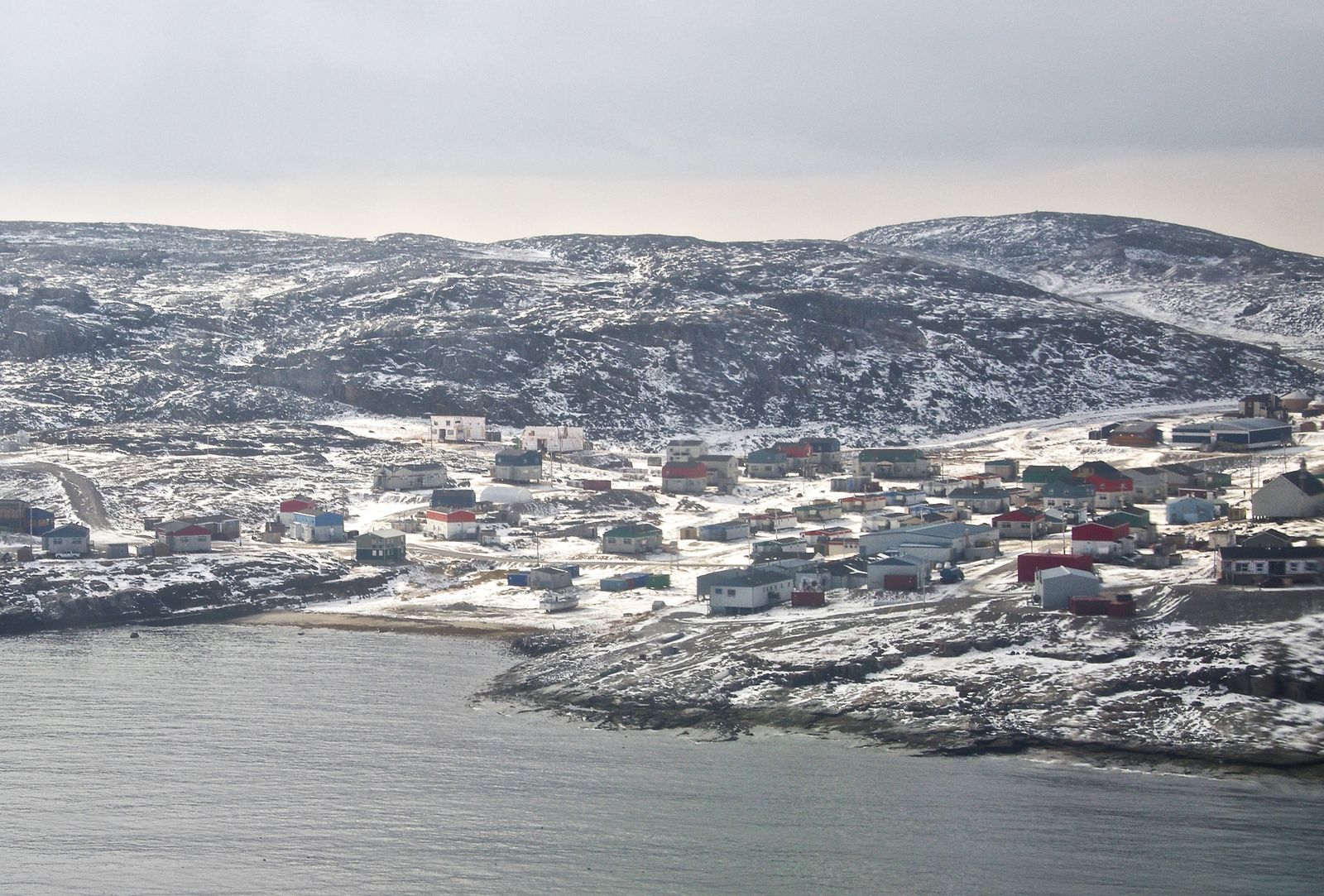
Photo: Ian Schofield, CC BY 2.0, via Wikimedia Commons
When I was growing up in Dortmund, in Germany's industrial heartland, a career chasing frogs in the Caribbean was never on my mind. From the age of eight I collected exotic travel catalogs, and I owned a lot of books about nature. It took a few detours, most of them underwater, before those two interests came together.
Pearson College and the sea
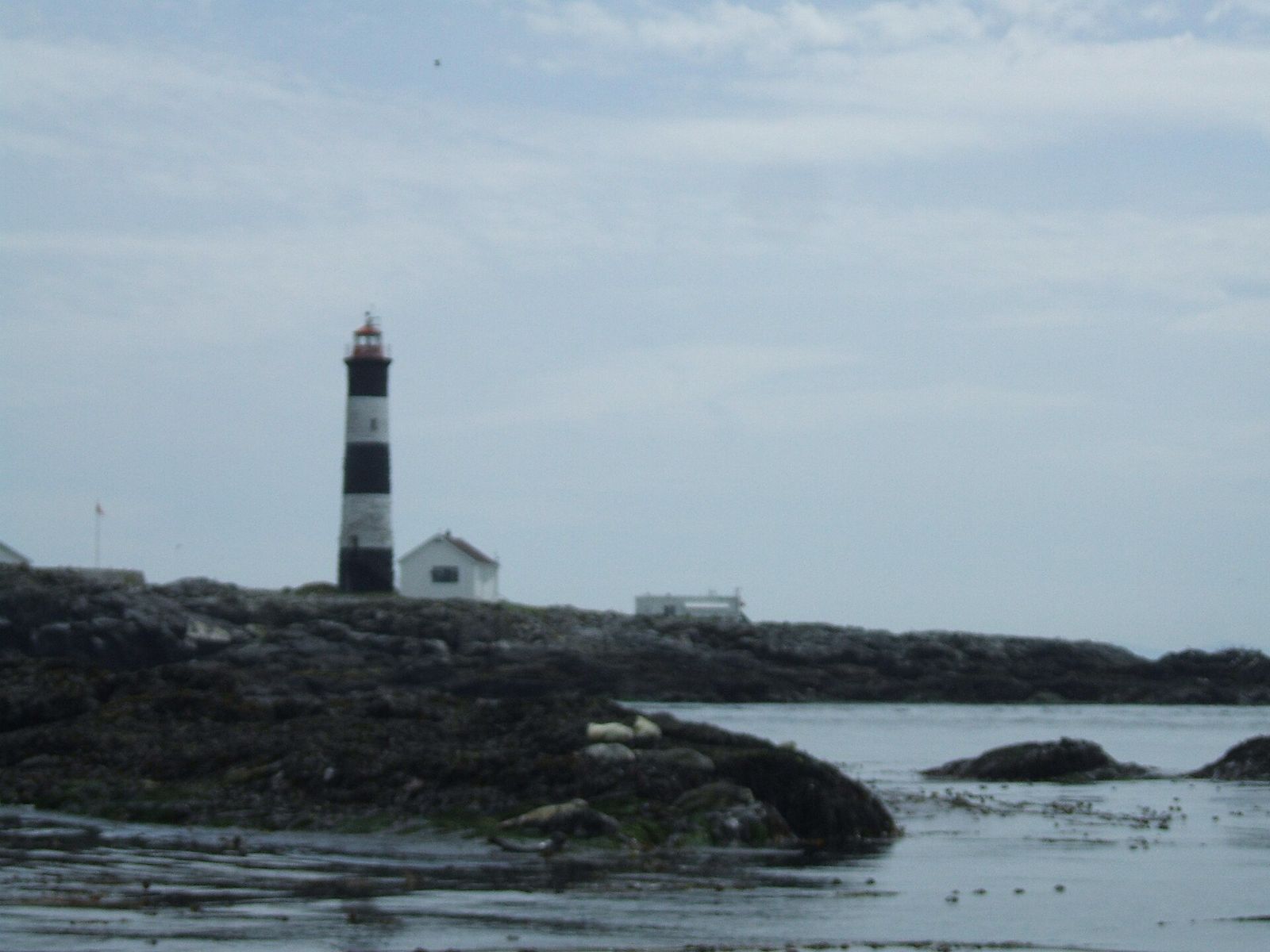
In 1982 a scholarship from the Studienstiftung des Deutschen Volkes, the German national academic foundation, took me to Lester B. Pearson College of the Pacific in Victoria, British Columbia. Pearson is one of the United World Colleges, which bring students from all over the world to live and study together. I trained as a scuba diving instructor there and led the college's diving service. Our job included helping to survey the marine life around the Race Rocks Ecological Reserve, a cluster of small islets off Victoria.
Then the famous underwater explorer Joseph MacInnis came to give a lecture. In 1974 he had been the first person to dive under the ice at the North Pole. Afterwards I went up and asked whether I could join him on a dive in the Arctic. It was a bold question for a teenager, but he took it seriously. With his help, I joined an expedition led by Dr. John Green of Newfoundland as a research assistant.
That summer is when my love of science and exploration really caught fire. I received my International Baccalaureate from Pearson in 1984. Before university I spent a year as an intern teaching high-school biology at Brent International School in Baguio City, in the mountains of the Philippines.
A marine biologist at McGill
I enrolled in marine biology at McGill University in Montréal. As an undergraduate I also traveled whenever I could, on a shoestring budget: to Hong Kong, Macau, Japan, Mexico, Kenya and Tanzania, and on a 700-kilometer canoe trip down the Yukon River.
My first scientific paper came out of the tropics, but not from the sea. In May 1986 I was part of a McGill field course at the Bellairs Research Institute in Barbados. Over nearly three weeks we measured branches and weighed the fruit on 22 species of Barbadian trees and shrubs, from wild and garden plants to orchard trees. With one simple formula, based on how thick a branch is and how heavy each fruit is, we could predict how much fruit a branch carried. It explained 89 percent of the variation we measured. As plants get bigger, their fruit makes up a growing share compared with their leaves and twigs. Put another way, bigger plants invest proportionally more in reproduction. The paper, led by the McGill ecologist Robert Peters, appeared in the journal Oecologia in 1988, with eight authors.
That stay also got me hooked on the Caribbean. I fell for the balmy weather, the incredible people and the phenomenal biodiversity, though at the time I was only thinking about the ocean.
A sponge with the smallest needles
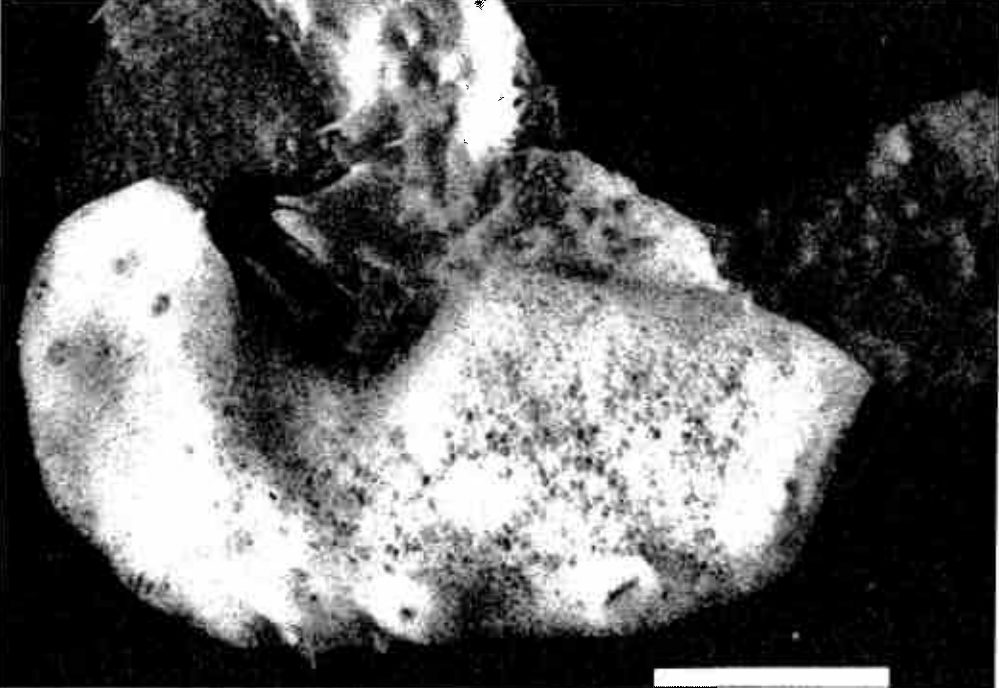
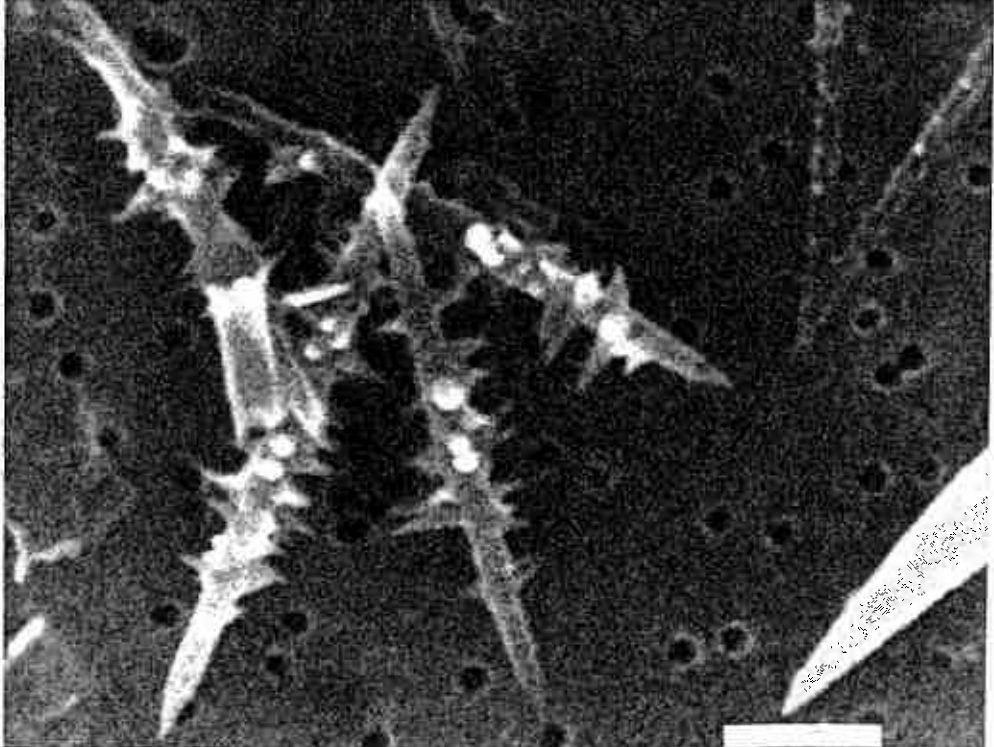
My second paper was about a sponge. In 1984 Henry Reiswig of McGill's Redpath Museum had collected a thin, grayish-yellow sponge from a tidal pool 23 m inside a sea cave on Edward King Island, in Barkley Sound on the west coast of Vancouver Island. Sponges are supported by a skeleton of tiny glassy needles called spicules. Under the electron microscope, this sponge turned out to contain spicules only about 4 thousandths of a millimeter long, covered in minute spines. They were the smallest sponge spicules known. Each one forms inside a single cell, and twenty to fifty of them are packed into each of those cells. We suggested they might help defend the sponge against grazing snails. In 1989 Henry and I named it Mycale bamfieldense, after the village of Bamfield and its marine laboratory, the nearest human settlement to where it was found.
Henry kept turning up in my career after that. When I began measuring frogs, I did it on his digitizing tablet. In one paper I thanked him for his patience, since his equipment "was occupied for hours with frog carcasses."
Converted at the Redpath
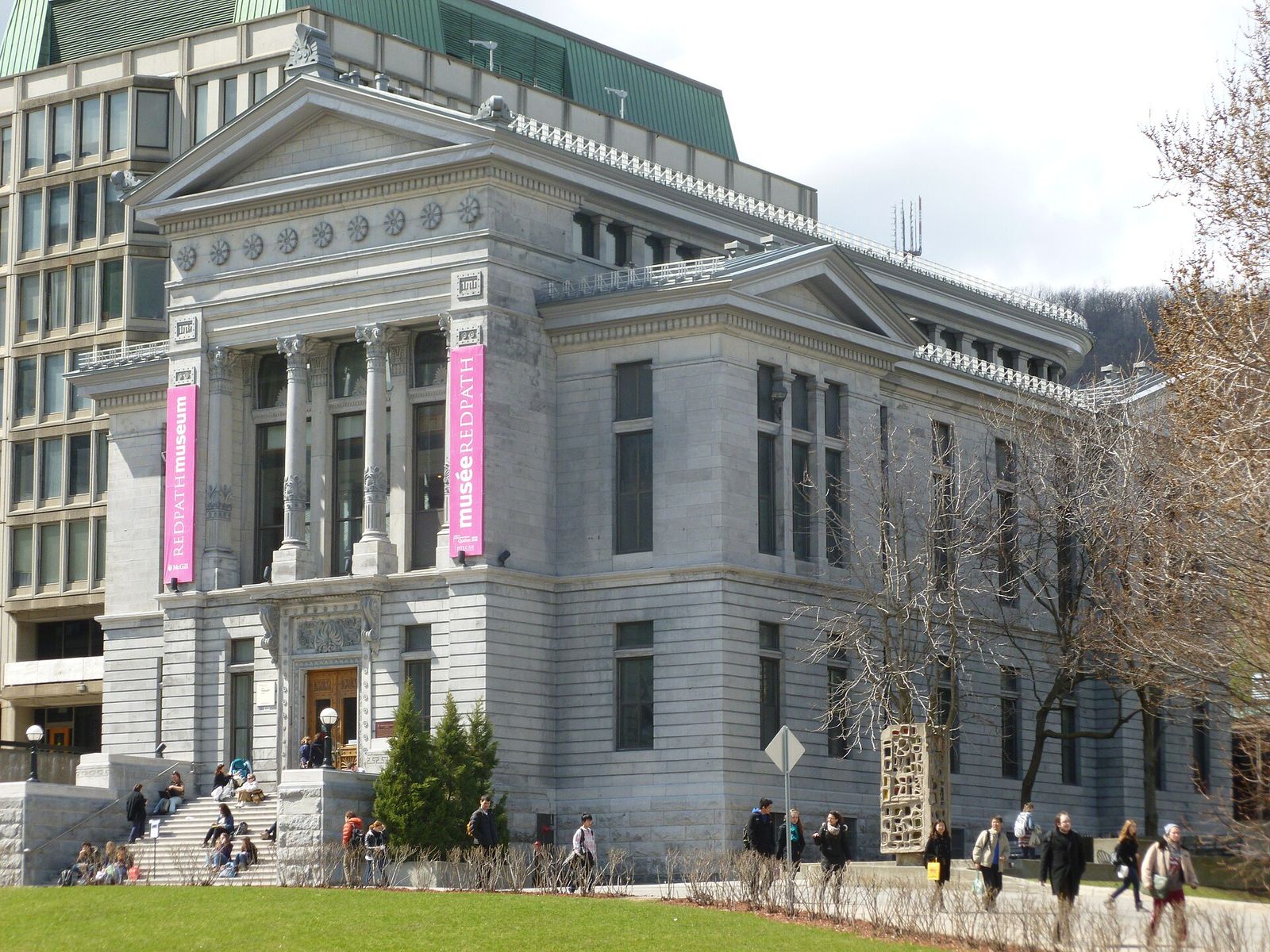
The turn came in a course taught by David Green at the Redpath Museum, McGill's grand old natural history museum. David studies frogs. Inspired by him, I found my direction, and when he asked me what I wanted to do for a graduate research project, the answer seemed obvious. As I later put it: "David's a frog guy and I like the Caribbean. . . . Does 2 + 2 = 4?"
I did my fact-finding in the library first, and I was impressed by how much work had already been done on Caribbean frogs. Then I began to realize how much was still left to do.
Over New Year's 1988/89, my cousin Helmut Schwarten and I spent three weeks on a four-island tour of Barbados, Grenada, St. Vincent and St. Lucia, collecting the whistling frog Eleutherodactylus johnstonei. I came home with about 300 specimens. Half of them flew back to Canada with me on the jumpseat in the cockpit of a Wardair Boeing 747, much to the crew's amusement. I can recommend flying with live frogs to anyone who wants plenty of conversation on a business trip.
Some of those frogs weren't E. johnstonei at all, but a form of a Trinidad frog that looked quite different in life. After talking it over with David, I decided to write a grant proposal and take on the classification and history of all the Eastern Caribbean whistling frogs as a PhD project. When the grant came through, several more trips to the Caribbean were assured.
Why it matters
Looking back, none of it was planned. A lecture, one bold question after it, a field course and a teacher who happened to study frogs added up to a life's work. I have tried to pass that on. Students learn best when they get their hands wet in real research, and the right question, asked at the right moment, can change everything.
The papers
- (1988) The allometry of the weight of fruit on trees and shrubs in Barbados Oecologia 74: 612–616
- (1989) Description of Mycale bamfieldense n. sp. (Porifera, Demospongiae, Poecilosclerida) from Vancouver Island, British Columbia Canadian Journal of Zoology 67: 674–677