Shield Names
Photo: Rushenb, CC BY-SA 2.0, via Wikimedia Commons
In 1737 Carl Linnaeus, the Swedish botanist who gave us the two-part system of scientific names, named a plant after one of his loudest critics, Johann Georg Siegesbeck. The plant he picked was a small, smelly, unsightly weed. He even spelled Siegesbeck's name wrong.
So from the very start, naming living things has had a nasty side. It is also where a big part of my working life has gone since 2013. In a short biography from around then I wrote that I had "become embroiled in the defense of herpetology against taxonomic vandalism." My day job is studying frogs, lizards and snakes in the tropics. Yet much of the work I am best known for is about something that sounds dull and turns out not to be: who gets to name an animal, and what happens when the naming goes wrong.
Why a name is not just a name
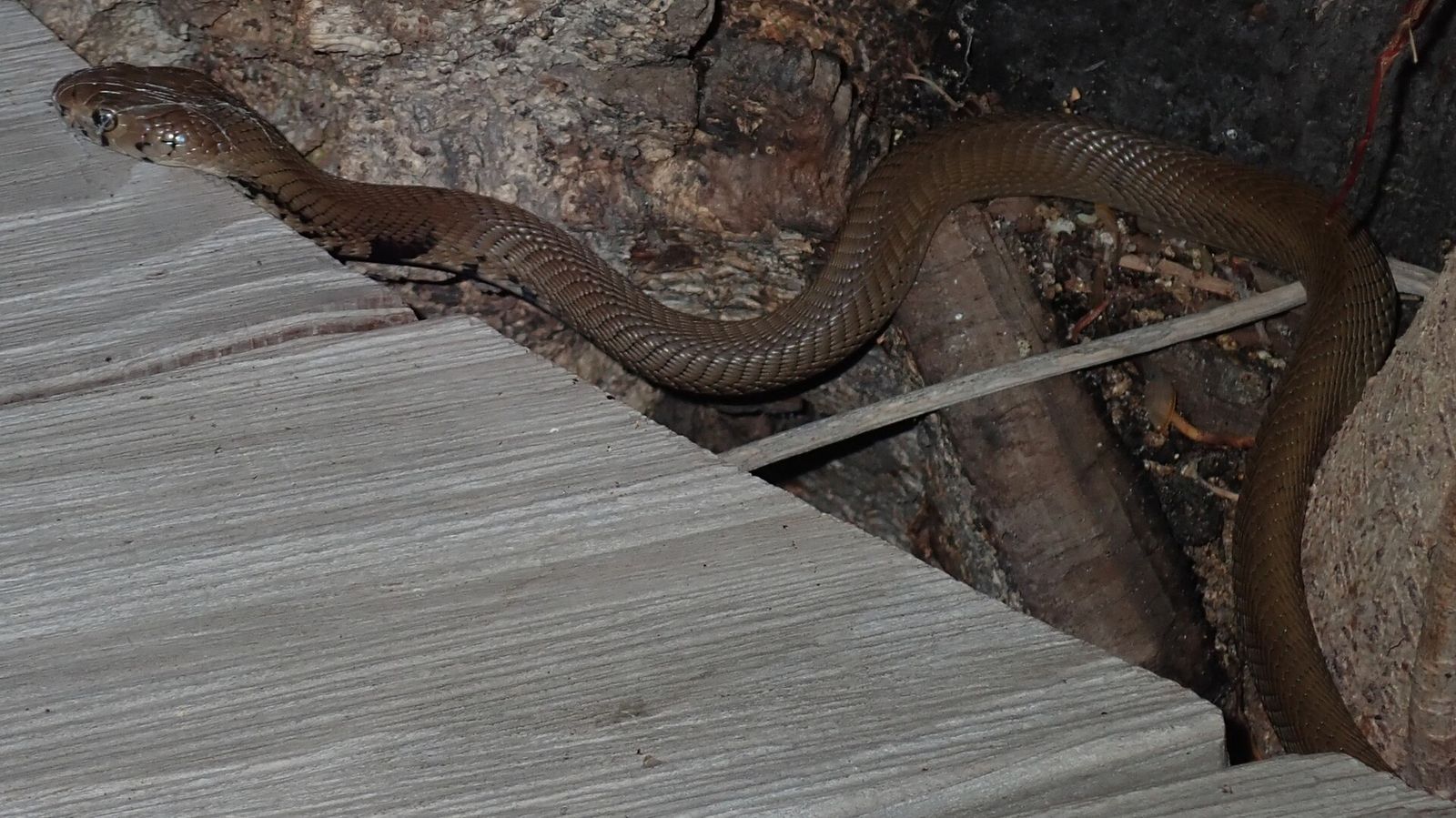
A scientific name, like Naja mossambica for the Mozambique spitting cobra, is a label that links everything we know about a species. That includes its venom, its range, and whether it is threatened. Endangered species lists, the CITES treaty that controls the wildlife trade, and national laws all hang on these names. So does the label on an antivenom vial.
When a name changes for no good reason, those links break. In our 2013 paper we warned that if a protected species suddenly carries a new name, it can slip through a legal loophole, still protected on paper but no longer recognised by the officers enforcing the law. We also warned about doctors in the middle of a snakebite emergency, unsure which antivenom matches a snake that has just been renamed. In that case, we wrote, it "may literally be a matter of life and death."
I have seen the problem up close. In Timor-Leste, where I have worked since 2009, government officials drafting wildlife policy searched online for the country's reptiles. They found a mix of scientific names and unscientific ones. If both had gone into the document, two naming systems could have confused government policy and law enforcement for years.
The loophole
The Code is a bookkeeping system, not a scientific one. I have called it an accounting system. It checks whether a name was published in the right form. It does not check whether any science stands behind the name. A description can be copied from someone else, can be about an animal the author never saw, or can even state that a species is red with black spots when the specimen is really blue with white spots. The name can still count.
Add cheap desktop publishing, and a problem that has always existed became huge. Writers have called it "nominomania", the "mihi itch" (mihi is Latin for "mine") and, most often, taxonomic vandalism. In Australia in the 1980s, Richard Wells and Ross Wellington named 256 new reptiles and amphibians in a journal they published themselves. From 2000 onwards, Raymond Hoser went much further. By January 2021 our count stood at 1,795 new names. Every one was single-authored, and all but 41 appeared in his own self-published, self-edited Australasian Journal of Herpetology. As we noted in 2021, the journal also carries intemperate attacks on anyone critical of his work.
Under the Principle of Priority, anyone who later did the real work on these animals would be stuck with those names.
Drawing a line in the sand
In 2012 a group of us talked with herpetological societies around the world for about a year. Herpetologists are the scientists who study reptiles and amphibians. In March 2013 we published a peer-reviewed Point of View in Herpetological Review. Its title says what it argues: In the 21st Century, Taxonomic Decisions in Herpetology are Acceptable Only When Supported by a Body of Evidence and Published via Peer-Review.
We set out best practices. A new species needs evidence, a list of the specimens examined with their museum numbers, and review by independent experts. We then drew a "line in the sand" at 1 January 2000. We listed the names from that date on that plainly failed those standards and asked everyone to stop using them until the Commission acted. Eleven major herpetological societies backed the proposal before it was published, including the World Congress of Herpetology. Hoser named it the "Kaiser Veto", and the name stuck.
"The negative practical impact of needlessly destabilizing taxonomy is likely to be more profound than any other type of fraud or error in herpetology." — Kaiser et al. 2013
Later that year, in the Bulletin of Zoological Nomenclature, I suggested a more lasting fix. I called it a Taxon Filter, borrowing an idea from ICZN Commissioner Douglas Yanega. Verified taxonomists would vote online, quickly and in public, on whether a doubtful name should stand. In the same paper I described what was happening as a "name-laundering scheme": mass-produced names go in and "clean" names come out.
A staple and a spitting cobra
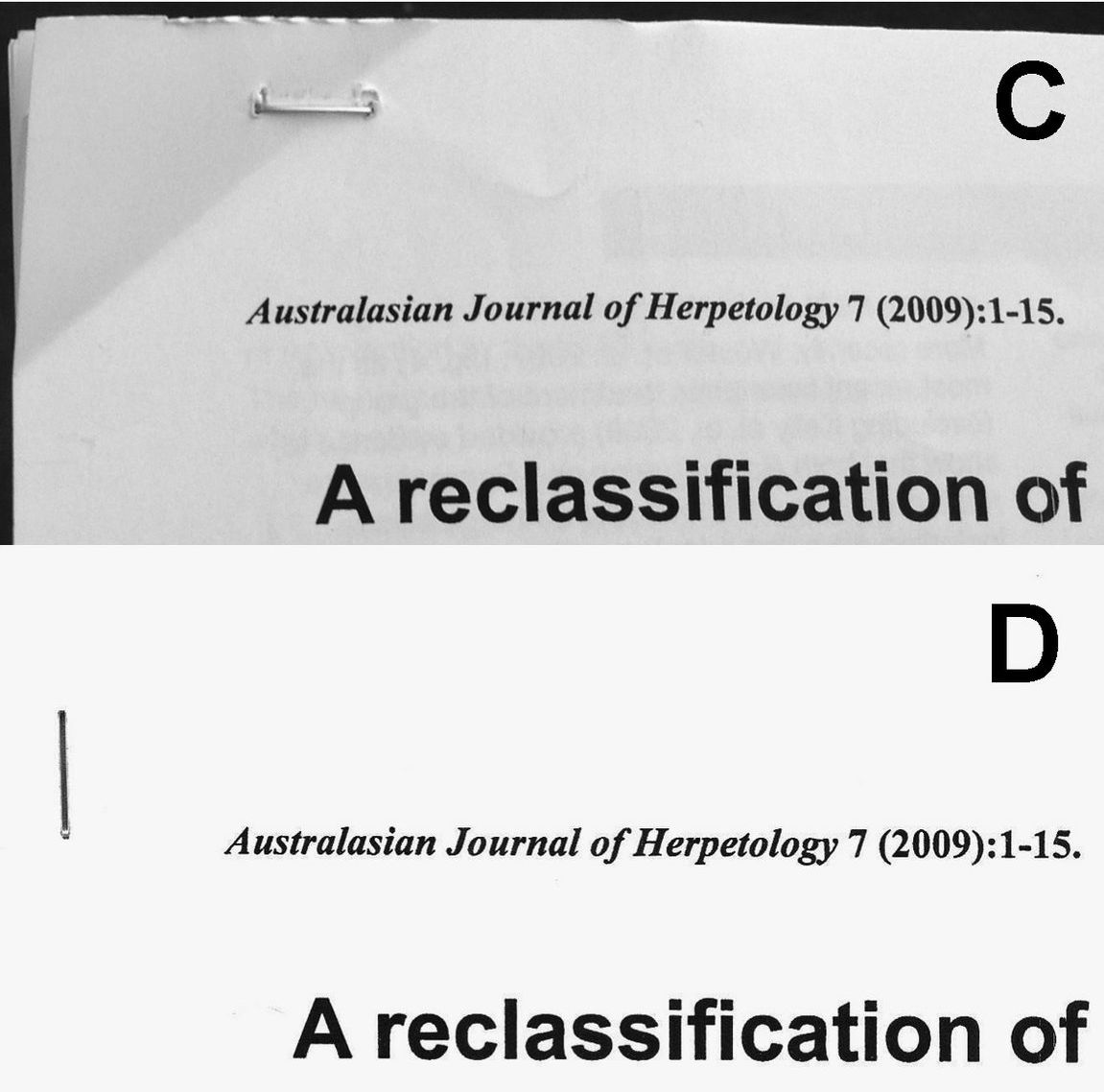
Some of the fights came down to very small details. Hoser asked the Commission to confirm Spracklandus, his 2009 name for the African spitting cobras. It had appeared just before Afronaja, the name scientists had given the same group. This was Case 3601. To count under the Code, a printed work needs many identical, durable copies. I studied photographs of the copy held by the National Library of Australia. A nearly identical printer flaw showed on both copies I could compare. The staple sat across the top of the page, a spot no printing machine puts a staple, and a different copy was stapled in a different place. To me, it did not look like a real print run.
In 2015, 70 of us signed a formal comment asking the Commission to reject the whole journal. The signers included chairs of IUCN specialist groups, a former chair of the CITES Animals Committee and journal editors. In 2021 the Commission declined to decide either way. That left the question with the herpetologists.
The shields go up
By then the community had already taken matters into its own hands. Instead of spending years proving that each bad name was merely a duplicate (a synonym) of an older one, scientists doing real revisions simply gave the animals new, properly supported names. In 2021 Wolfgang Wüster, Scott Thomson, Mark O'Shea and I looked at what had happened. We called these replacements aspidonyms, from the Greek aspis, "shield": names that shield science from vandalism.
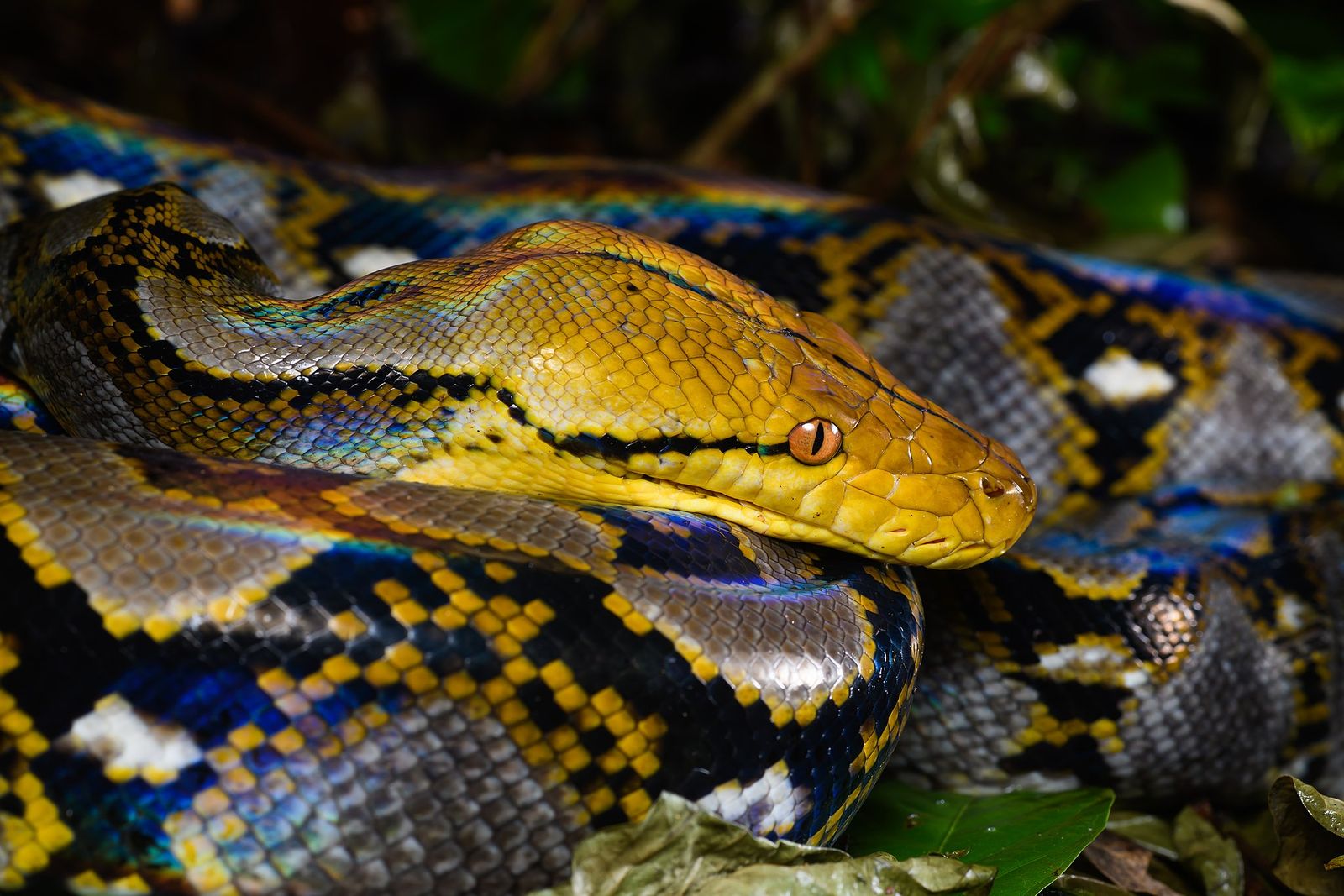
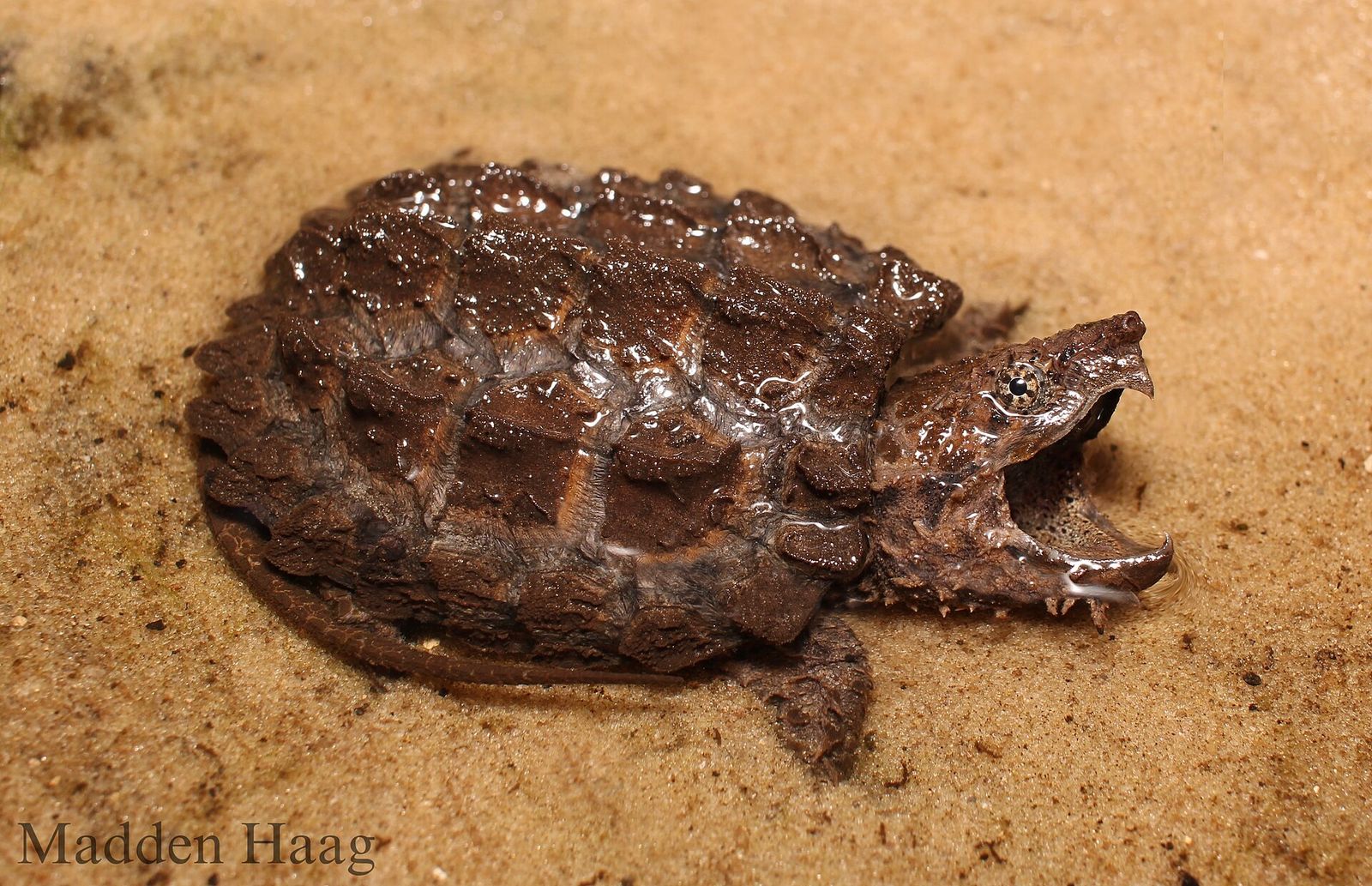
We found 59 of them, coined by 153 authors from 24 countries and used 1,087 times in the literature. We found only one case where a later author preferred the overwritten name. The reticulated python, one of the world's longest snakes, had been placed in Hoser's genus "Broghammerus". In 2014 it became Malayopython. Within a year the new name was being cited more often than the old one. Alligator snapping turtles from Florida's Suwannee River, which had been given a name built on the author's own surname, became Macrochelys suwanniensis. In the most striking case, two names Hoser had coined to honour an Australian herpetologist named Melville were overwritten by Melville and colleagues.
Our critics had feared the veto would split herpetology into two rival naming systems. It did not. The community chose one system, the one with the evidence behind it.
Harvesting the tree
The problem kept changing shape. In 2023 Wolfgang Denzer and I described a version we called nomenclatural harvesting. Scientists publish a family tree built from DNA, and some branches are left unnamed on purpose because the evidence is not yet complete. A harvester simply names them, without ever looking at an animal. In one case, a biologist writing in 1968 had described two odd lizard specimens in the Smithsonian collections as in-betweens of two known species. In 2015 someone else named them a new species, copying the original description almost word for word. As a Research Associate of the Smithsonian I checked with the collection staff. Nobody had examined the specimens.
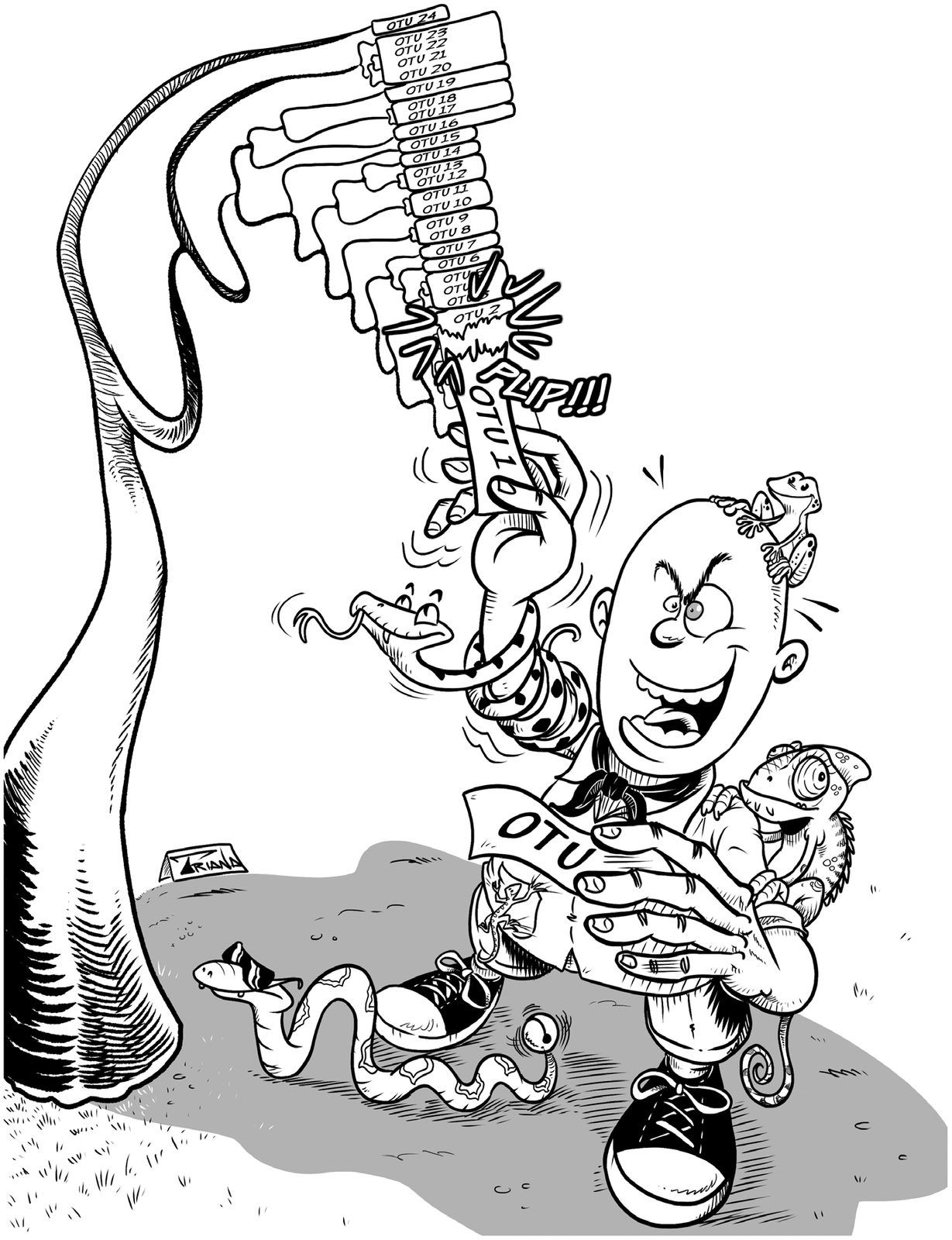
Our proposed fix is short. The Code already recommends that an author designate as holotype (the single specimen that anchors a new name) a specimen "actually studied by him or her". We asked the Commission to change that "should" to a "must".
Why I keep at it
In 2025 Denzer and I had to defend the consensus again. A new catalogue of turtle genus names had listed 20 of the shunned names as if they were legitimate. By then the unscientific names in herpetology came close to 2,500. We argued that every time a respected source repeats one, it brings back the confusion the whole community had worked for a decade to clear away.
Standing up for the Code does not mean freezing it. In 2018 I joined a large group of taxonomists in PLOS Biology arguing against the opposite danger: putting taxonomy under committees that would decide which species are allowed to exist. Science has to stay free to find new species. What it cannot do is let the names of living things be treated as trophies. Somebody has to hold the line, and in herpetology it turned out a whole community was willing to.
The papers
- (2013) Best practices: in the 21st century, taxonomic decisions in herpetology are acceptable only when supported by a body of evidence and published via peer-review Herpetological Review 44: 8–23
- (2013) The Taxon Filter, a novel mechanism designed to facilitate the relationship between taxonomy and nomenclature, vis-à-vis the utility of the Code’s Article 81 (the Commission’s plenary power) Bulletin of Zoological Nomenclature 70(4): 293–302
- (2014) Best practices in herpetological taxonomy: errata and addenda Herpetological Review 45(2): 257–268
- (2014) Comment on Spracklandus Hoser, 2009 (Reptilia, Serpentes, Elapidae): request for confirmation of the availability of the generic name and for the nomenclatural validation of the journal in which it was published Bulletin of Zoological Nomenclature 71(1): 30–35
- (2015) Comment on “Spracklandus Hoser, 2009 (Reptilia, Serpentes, Elapidae): request for confirmation of the availability of the generic name and for the nomenclatural validation of the journal in which it was published” Bulletin of Zoological Nomenclature 72(1): 65–78
- (2018) Taxonomy based on science is necessary for global conservation PLoS Biology 16(3): e2005075
- (2021) Confronting taxonomic vandalism in biology: conscientious community self-organization can preserve nomenclatural stability Biological Journal of the Linnean Society 133: 645–670
- (2023) Naming and gaming: the illicit taxonomic practice of ‘nomenclatural harvesting’ and how to avoid it Journal of Zoology 320: 161–168
- (2025) Nomenclature protects stability only when supported by good science: a response to Frétey’s (2024) list of turtle genus-series nomina Bionomina 41: 20–24