Hinrich Kaiser

Hinrich Kaiser has spent more than four decades looking for frogs, lizards and snakes: in Caribbean rainforests, on the islands of the Malay Archipelago, across the hills of Timor-Leste, and in the drawers of the world's natural history museums. He has helped name 31 species new to science, taken more than 150 students into the field, and become one of the most outspoken defenders of how living things get their names.
These pages collect the stories behind his 209 publications. Some are about discovery, some about people, and a few about things that are simply strange. The stories are told in his own voice.
Stories behind the papers
All 26 stories →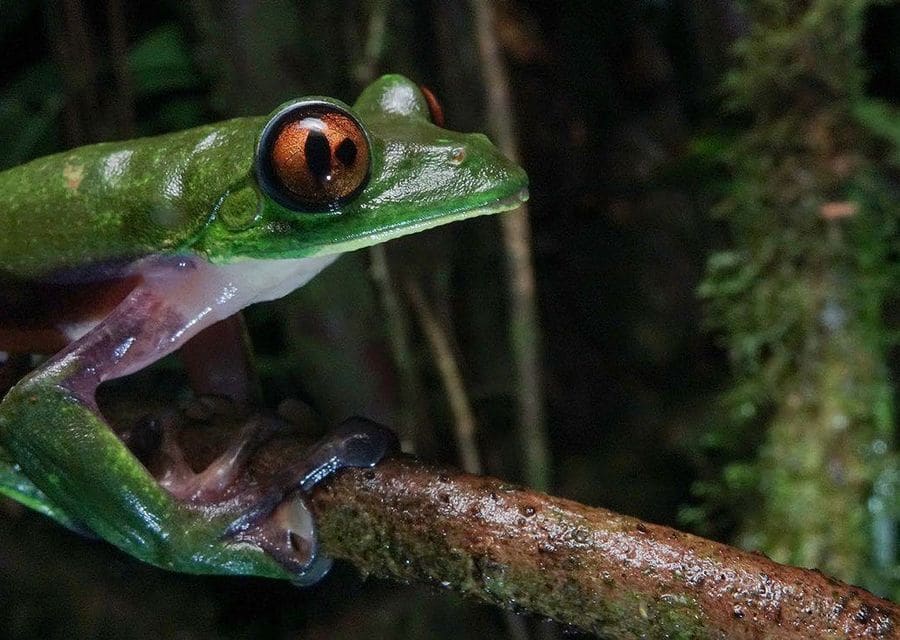
Did you know?
Half of the first 300 frogs Hinrich collected in the Caribbean flew home to Canada with him on the cockpit jumpseat of a Boeing 747, to the crew's amusement.
A Roatán spiny-tailed iguana gave a loud squawk that sent its whole group running. Iguanas were not known to make calls at all.
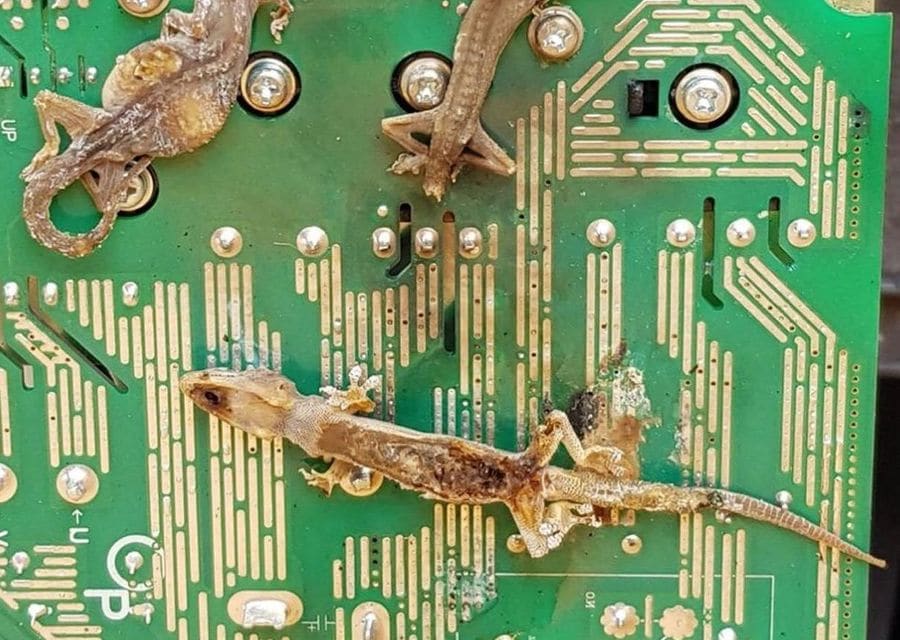
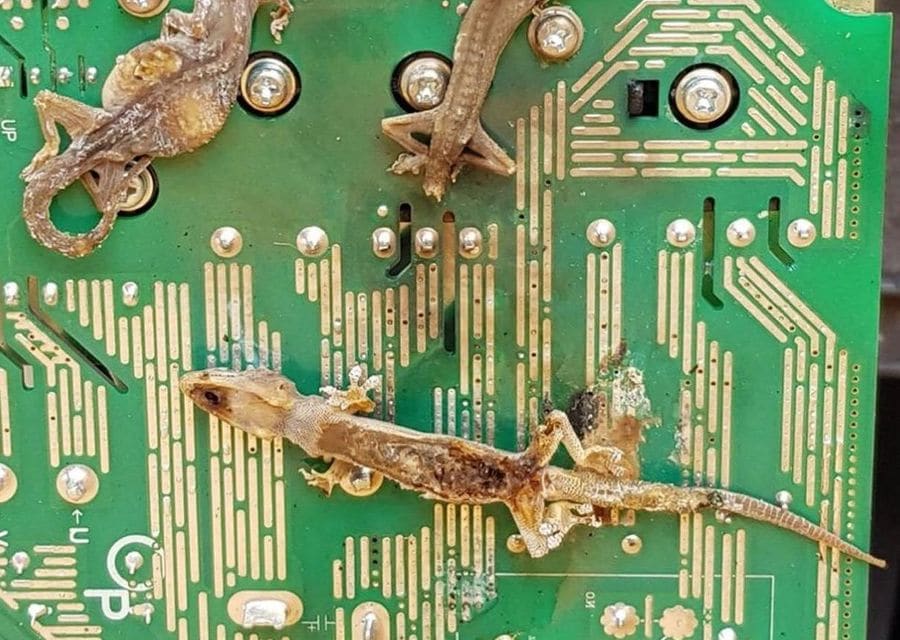
House geckos seeking warmth have short-circuited air conditioners on Saipan: seven were found electrocuted on three motherboards in a single house.
A king cobra photo said to be the first from Kashmir had appeared on a Chinese news site two days before the authors claimed to have taken it.
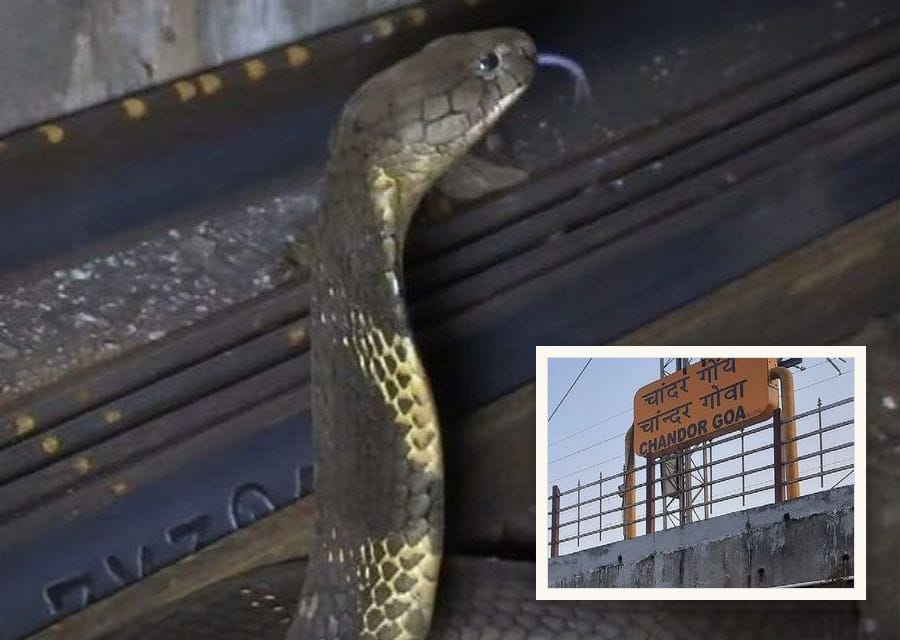
Five king cobras rescued in the wrong kind of habitat in Goa were all found near railway lines, which suggests these giant snakes sometimes ride India's trains.
A blindsnake swallowed by a toad in Timor-Leste came out the other end alive, the first record of a living animal passing through a toad's gut.
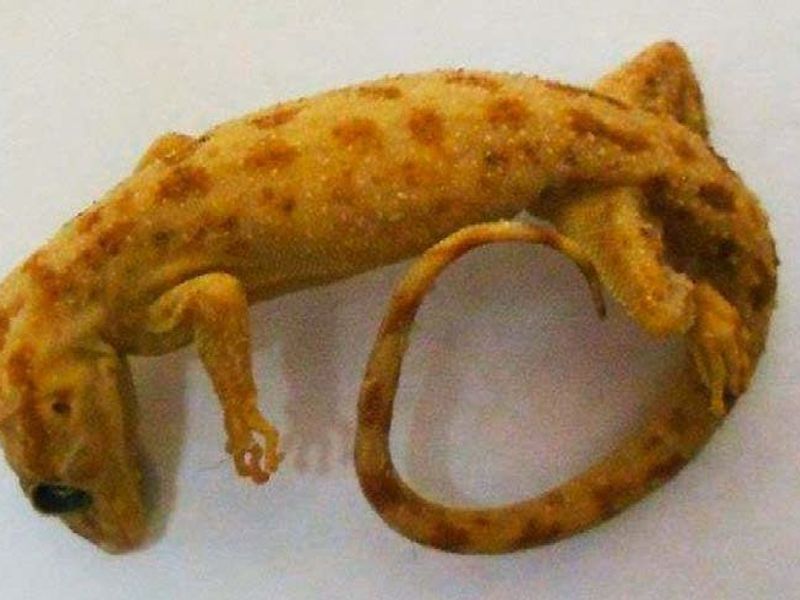
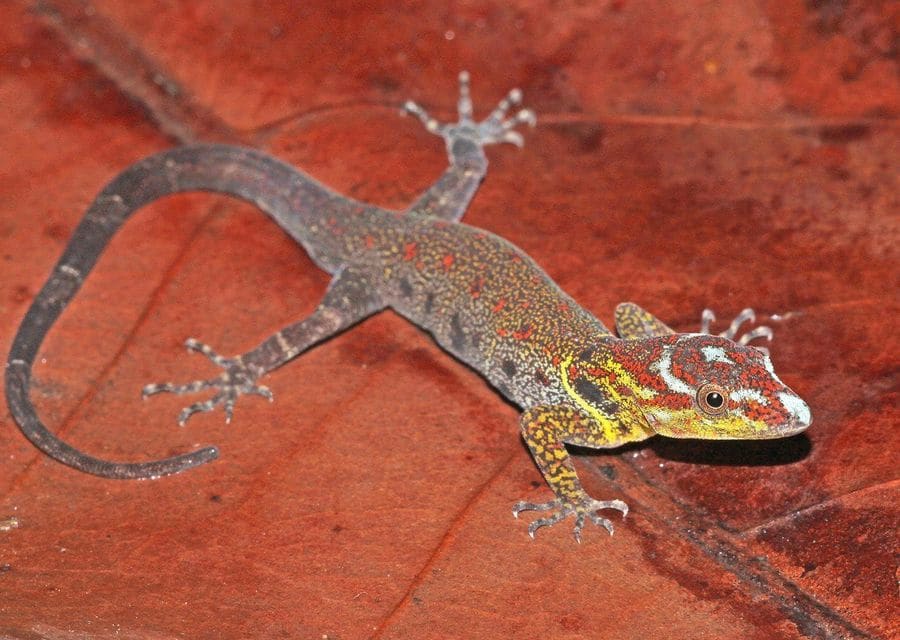
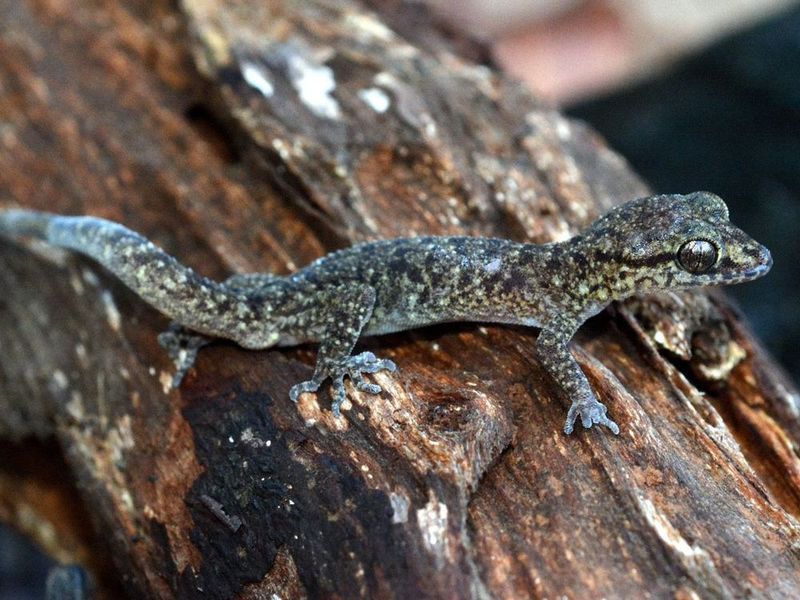
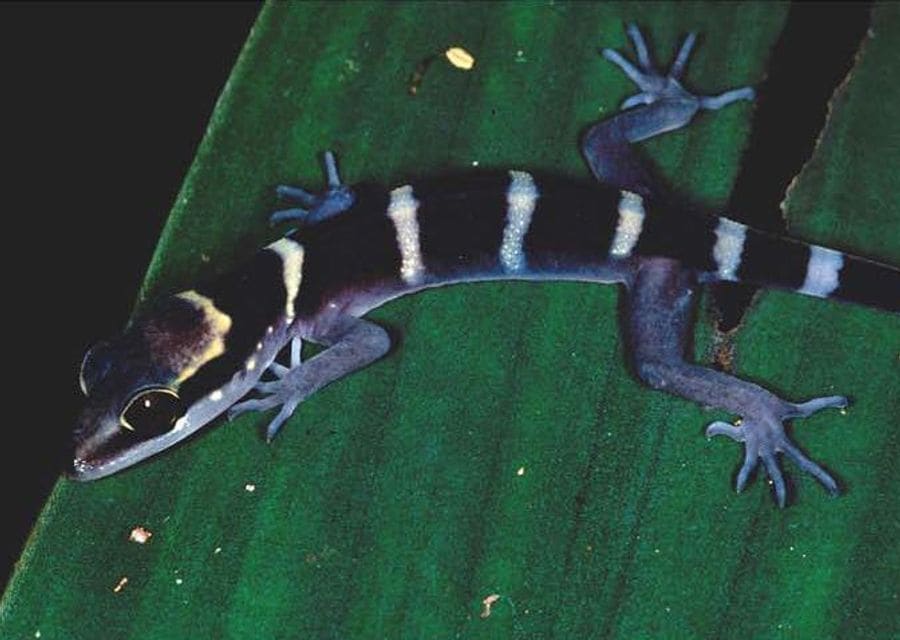
A gecko collected on Timor in 1924 sat in a London museum jar for 90 years before anyone realised it was a new species. Its name, celatus, means 'hidden away'.
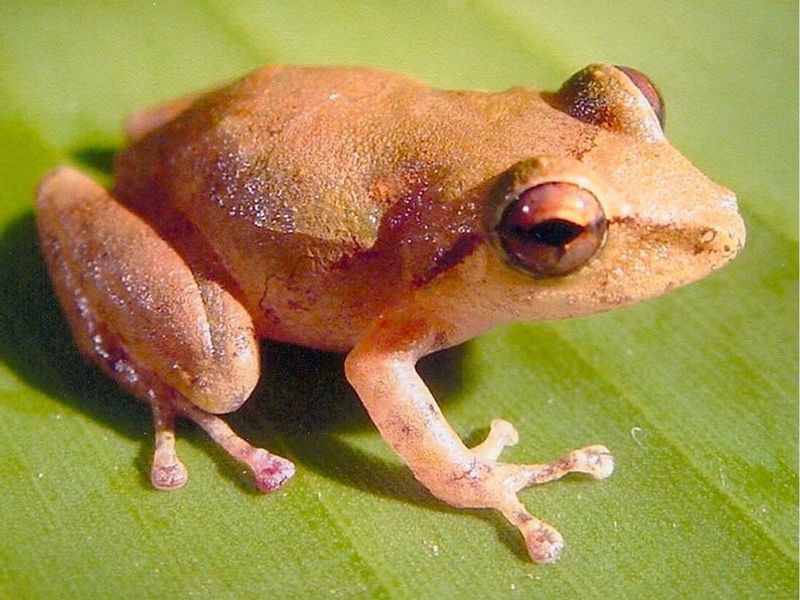
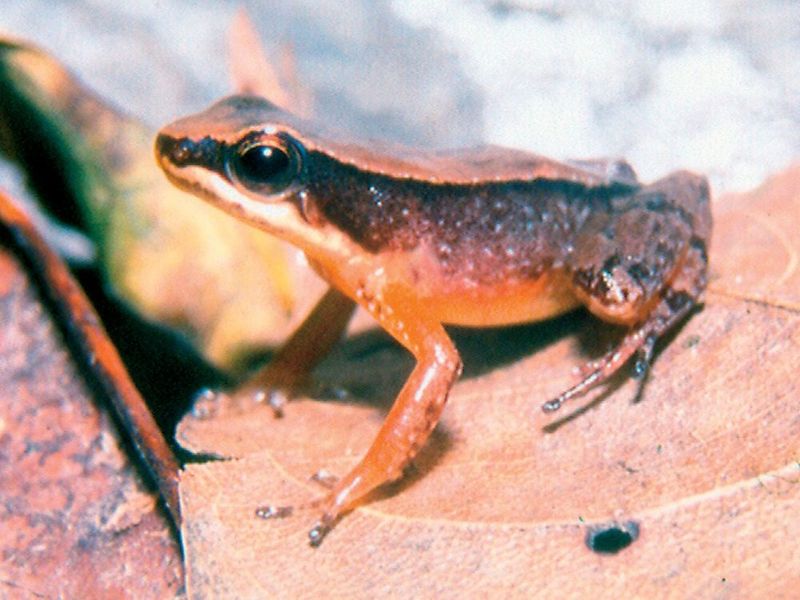
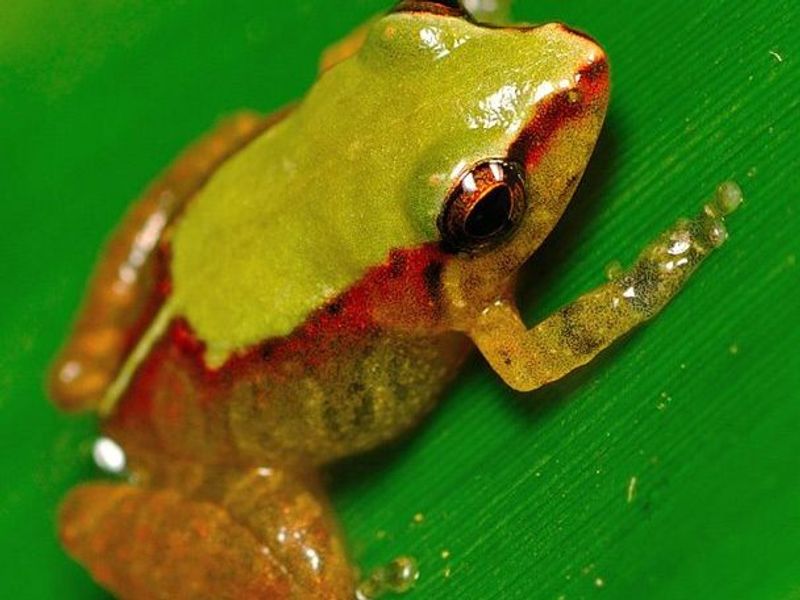
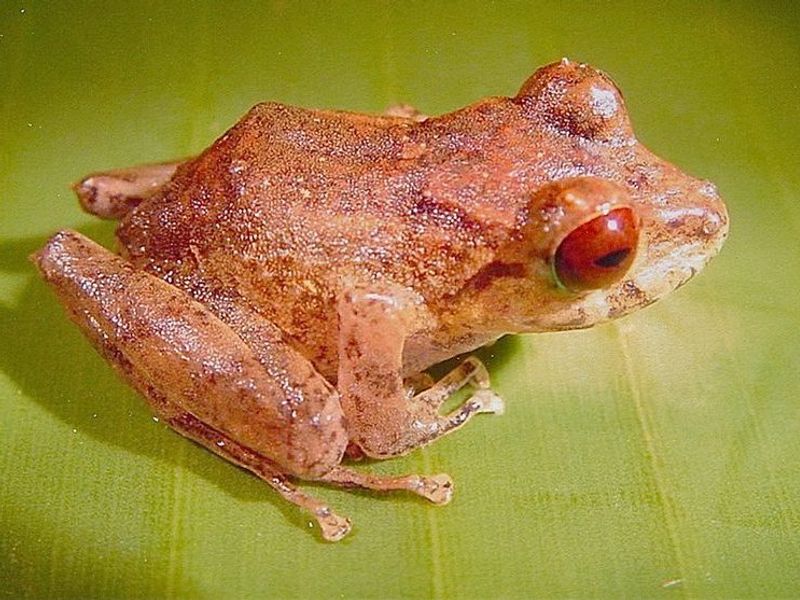
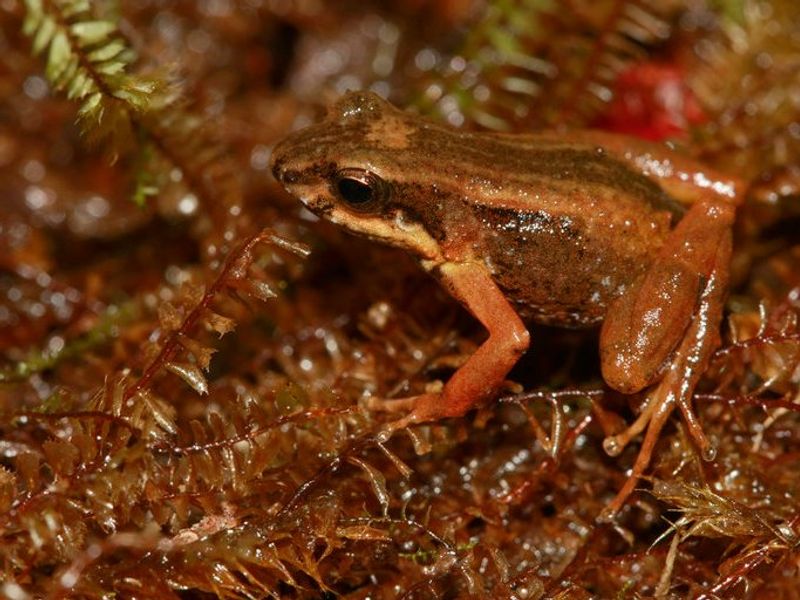
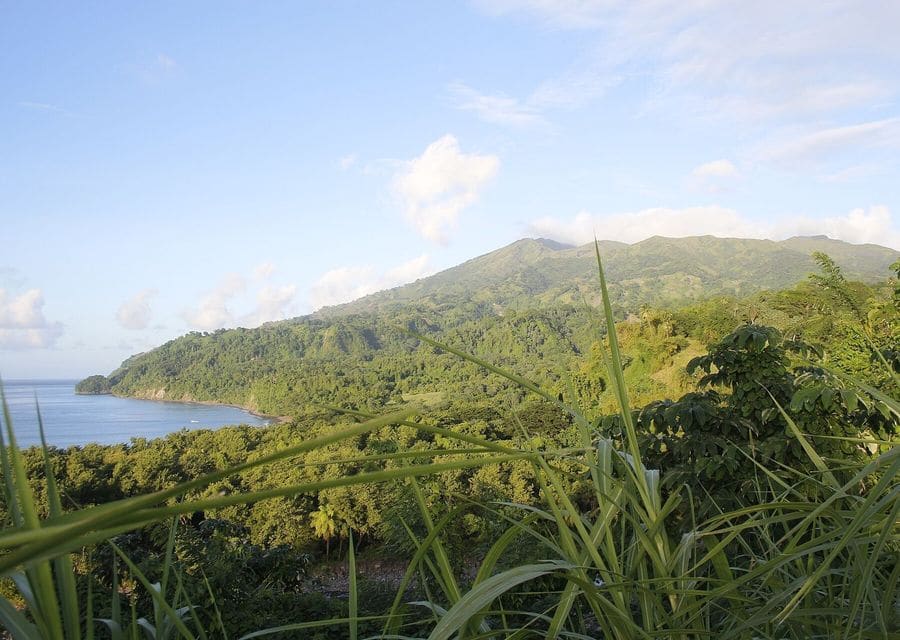
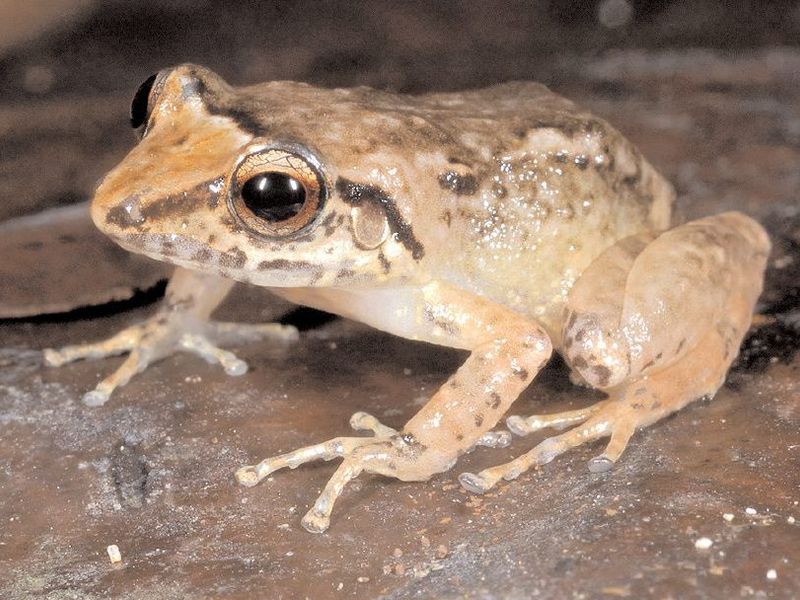
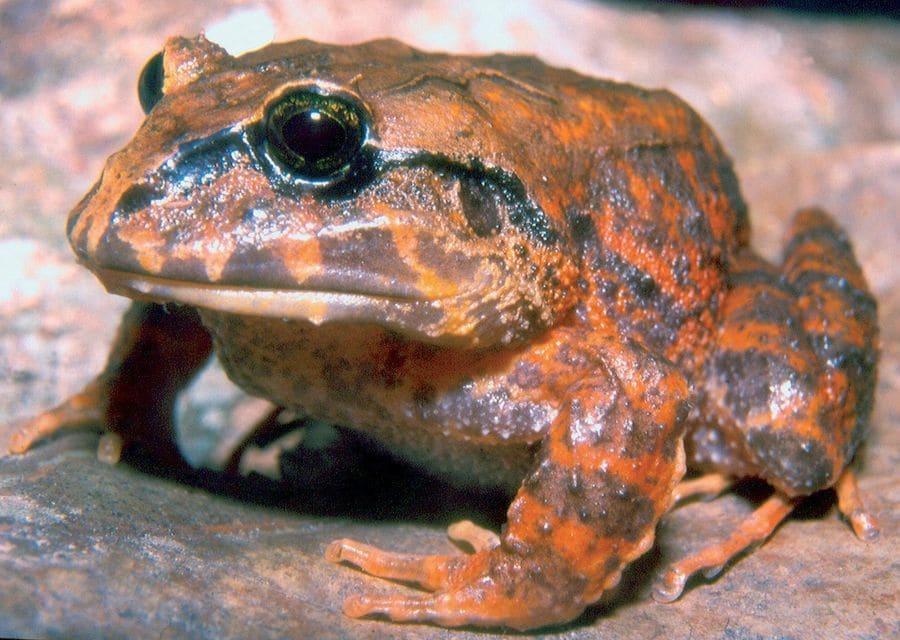
Martinique's copper-eyed frog was first found because Hinrich's cousin heard an odd peep while they were watching the sunset on a volcano. It gave Hinrich his email name, 'chalcopis'.
A 2001 scientific paper thanks a resident of a Honduran island "for not shooting at our boats."
Forked tails are known from 250 lizard species, and the record-holder is a gecko from Laos with nine tails.
Australian death adders were once named after Neil Armstrong, Burt Lancaster and Prime Minister Bob Hawke. Only Hawke's name survived, thanks to one sentence about the colour of baby snakes.
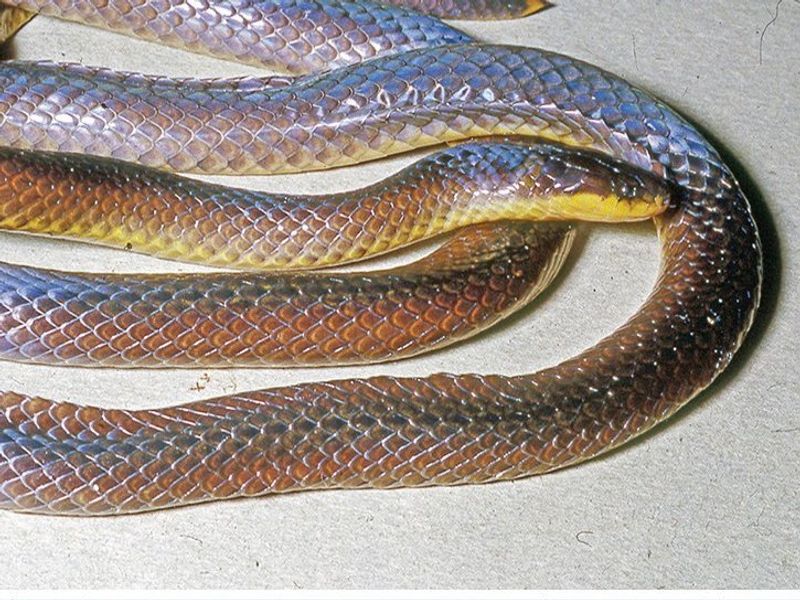
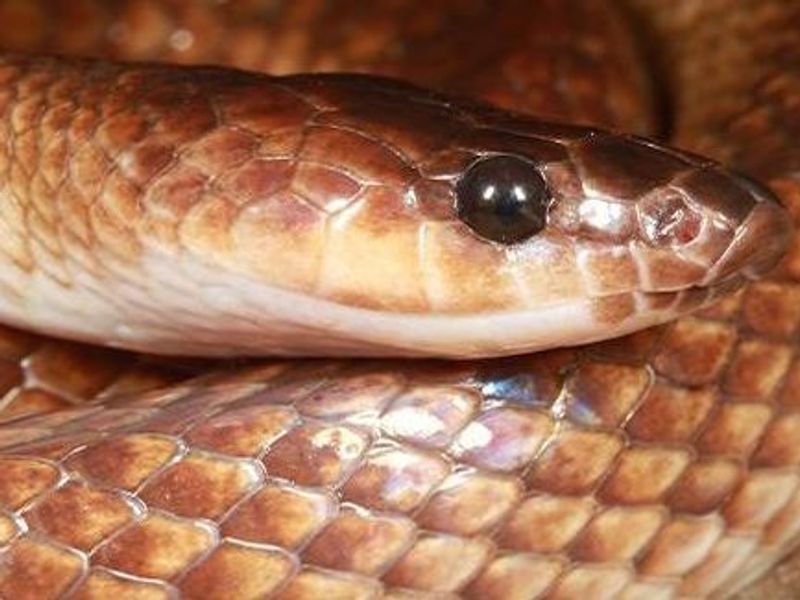
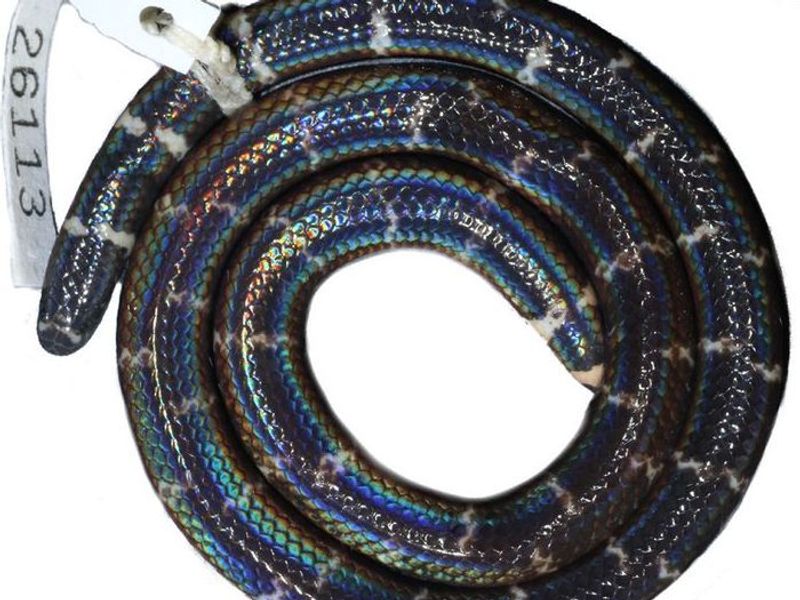
A 1.2-metre snake sat in a Harvard museum jar under the wrong name for 45 years before it was recognized as a new species, with a half-metre earthworm in its stomach.
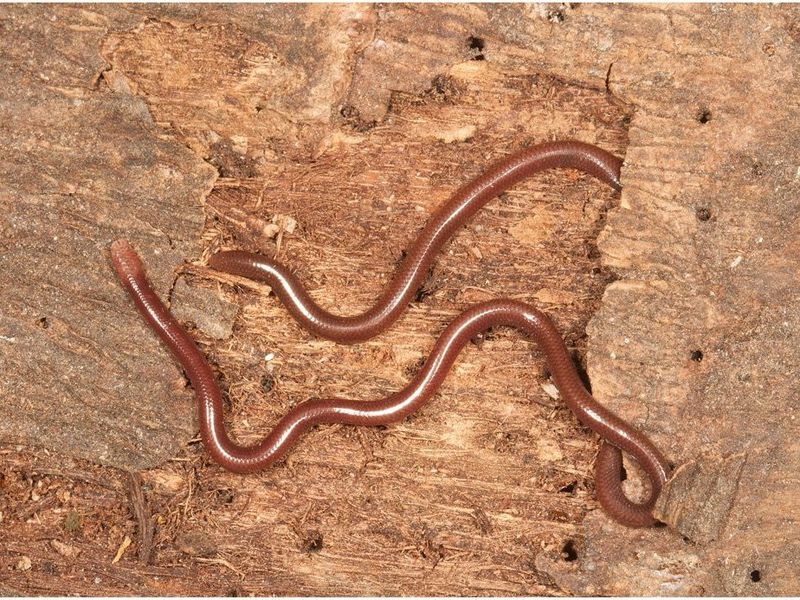
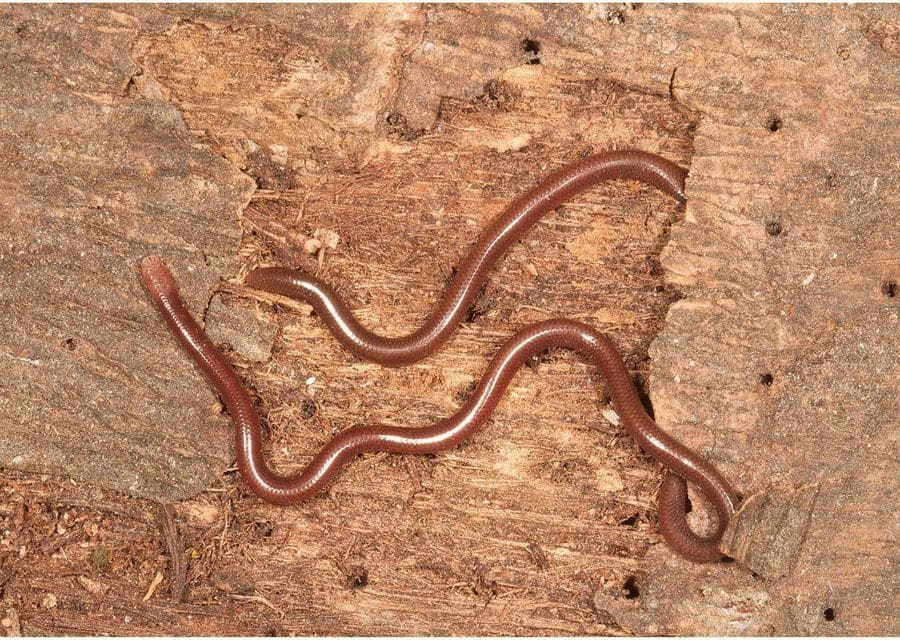
A new species of blindsnake, as thin as a strand of spaghetti, was discovered in an ant nest beside the fuel depot of Dili's international airport.
A pipesnake collected in the Moluccas in 1865 was only recognised as a new species in 2018, 153 years later.
In Venezuela, the whistling frog that spreads in potted plants is nicknamed 'la rana burguesa' (the bourgeois frog), because it lives in gardens that are watered all year.
A class of undergraduates found a mother American crocodile guarding seven or more hatchlings on Roatán, where experts had assumed crocodiles were only strays.
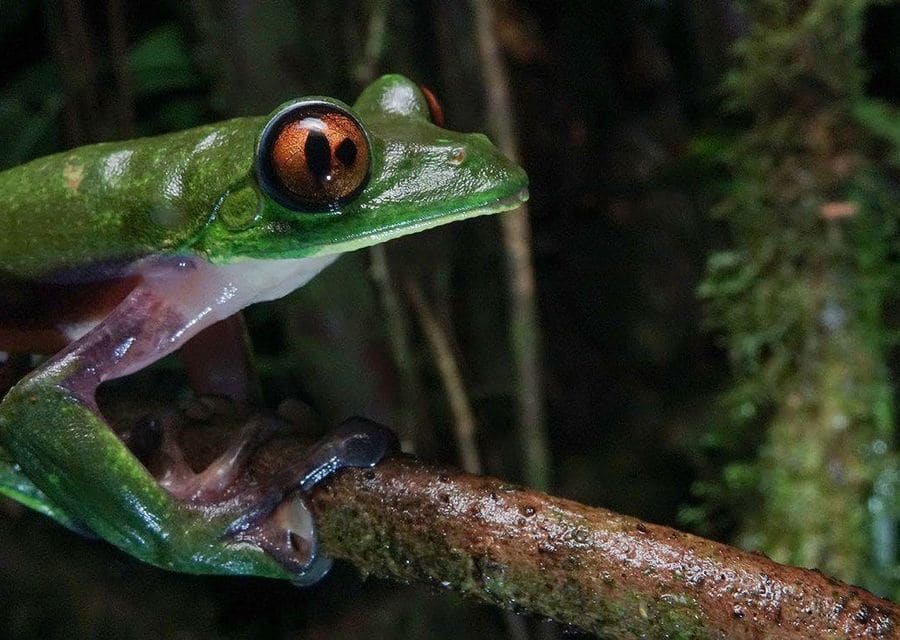
A Costa Rican treefrog was found with two pupils in one eye, the first such case documented in any amphibian.
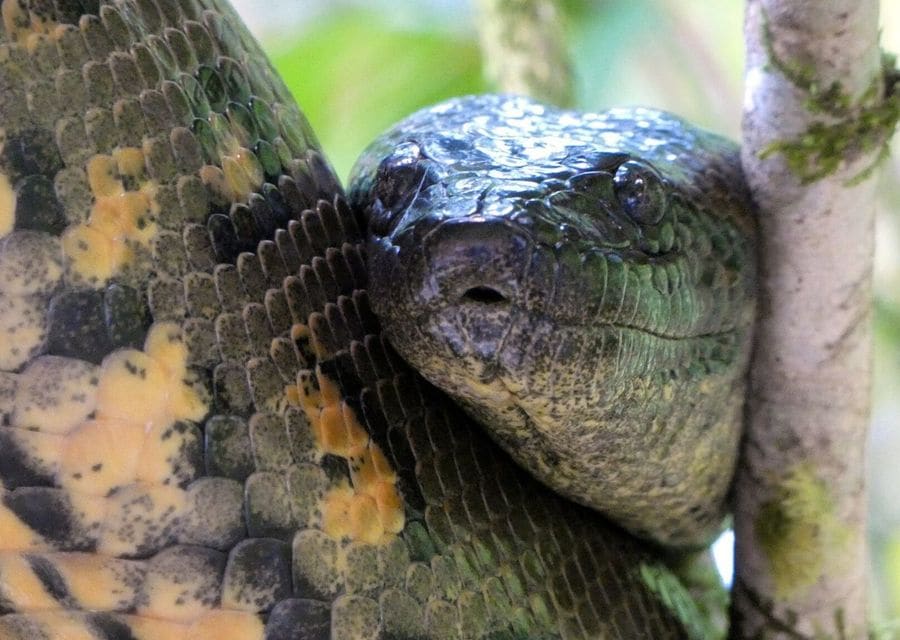
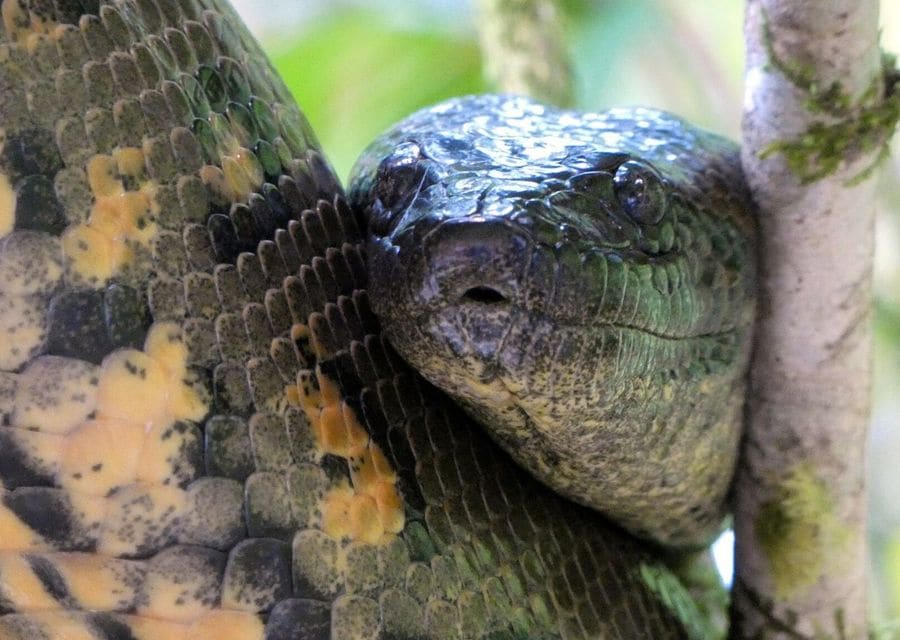
The snake behind the green anaconda's scientific name, engraved for a book in 1735, was tracked down in a St Petersburg museum by matching its spots one by one.
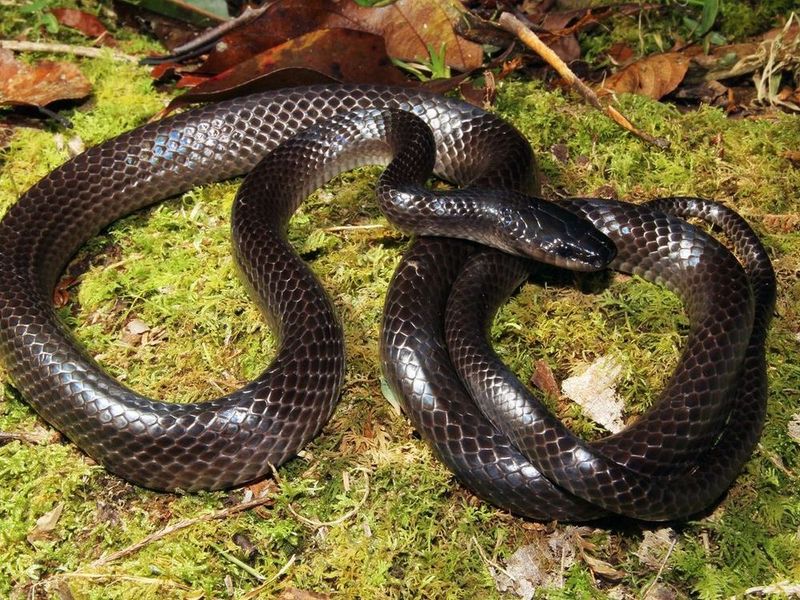
The first living Star Mountains Worm-eating Snake ever photographed was crossing the workings of a copper and gold mine in Papua New Guinea, and passed right under a parked digger.
Timorese villagers sorted a deck of 99 reptile and frog picture cards, and 79% of their choices agreed at least partly with the scientists' own survey.
A 'Timor' gecko described in 1836 was really a South American species, probably mixed up when its ship ran aground in the Falkland Islands in 1820.